When a Repair Is the Wrong Answer
 Callum Reith-Sowande
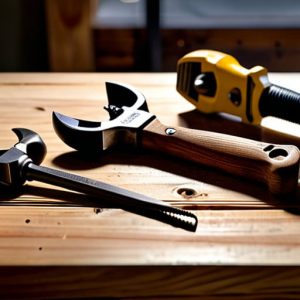
I remember sitting at my workbench back in '84, staring at a bevel edge chisel with a chipped blade that looked more like a jagged rock than a cutting tool. My apprentice kept insisting we just toss it and buy a new one from the local supplier—the same lot that was making a killing selling us tools designed to be disposable. He didn't understand that knowing how to decide whether to repair or replace isn't about being cheap; it’s about respect for the steel. Most blokes today treat their workshop like a graveyard for half-broken gear, but there’s a fine line between a tool worth saving and a piece of junk that's just wasting your time.
I’m not here to give you some spreadsheet formula or a complicated cost-benefit analysis. I’ve spent forty years on-site and ten years in the classroom, and I’ve learned that your gut and your whetstone will tell you more than any manual ever could. I’m going to show you my straight-talking method for looking at a tool and knowing exactly when to put the files to it and when to pull the trigger on something new. We’ll focus on the real mechanics of it, so you can stop throwing money away and start working with gear that actually lasts.
Reading the Signs of Major Equipment Failure
You don't need a degree in engineering to know when a tool has given up the ghost; you just need to listen. In my years on site, I learned that machines usually tell you they're dying long before they actually stop. It starts with a change in the rhythm—a stutter in a motor that used to hum, or a vibration that travels up your arm and settles in your elbow. If you’re seeing smoke, smelling scorched windings, or hearing a rhythmic grinding that sounds like gravel in a gearbox, you aren't looking at a simple fix. These are the clear signs of major equipment failure that most people try to ignore until it's too late.
I’ve seen too many lads try to nurse a dying machine back to life with nothing but hope and a bit of grease. But you have to look at the maintenance vs replacement costs before you crack the casing open. If the part you need to order costs more than half the price of a new, reliable unit, you're just throwing good money after bad. A tool that requires constant tinkering isn't a tool anymore; it's a hobby, and a costly one at that.
Calculating the Real Maintenance vs Replacement Costs
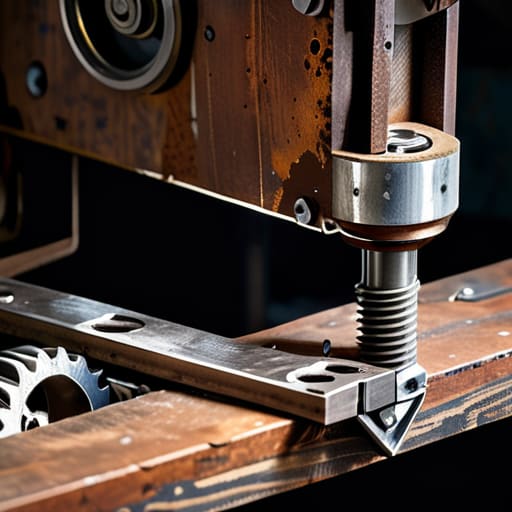
Now, don't get caught up in just looking at the price tag on a new piece of kit. That’s a rookie mistake. You have to look at the maintenance vs replacement costs over the long haul. I’ve seen lads spend fifty quid on a new motor for an old bench saw, only to have the frame warp or the bearings seize two months later. If you’re constantly pouring money into a machine just to keep it running well enough to finish a job, you aren't saving money; you're just subsidizing a corpse.
You need to do a bit of a mental cost-benefit analysis before you pick up your wallet. I always ask myself: if I spend this money on a repair, how much longer is this tool actually going to last me? If a new, modern model offers better energy efficiency or, more importantly for us, better precision, then that's where your money belongs. A tool that's hard to keep square is a tool that's costing you time, and in my book, time is the one thing you can't sharpen back up.
Five Ways to Tell if a Tool is Worth Your Time
- Look at the bones of the thing. If you’ve got a chisel with a cracked handle or a plane with a sole so warped you can't get it flat, you're fighting a losing battle. If the core of the tool is gone, no amount of tinkering will bring it back to life.
- Check your patience against the clock. I’ve spent more afternoons than I care to admit hunched over a bench trying to save a piece of junk. If the time it takes to fix it is longer than it would take to do the job with a new tool, just walk away.
- Consider the "disposable" trap. Most modern shops sell you tools designed to be thrown in the bin the moment they lose their edge. If you're looking at something made of cheap pot metal that can't be reground or reshaped, don't bother trying to save it.
- Watch your hands. A tool that’s been repaired poorly—a wobbly handle or a loose head—is a tool that’s going to bite you. If the repair doesn't restore the tool to its original, solid feel, it’s a safety hazard, not a fix.
- Respect the specialty. There’s a difference between fixing a worn-out plane iron and trying to fix a broken motor on a cheap electric sander. I’ll spend all day on a vintage Lie-Nielsen, but I won't spend five minutes on a piece of plastic meant for the scrap heap.
Making the Final Call
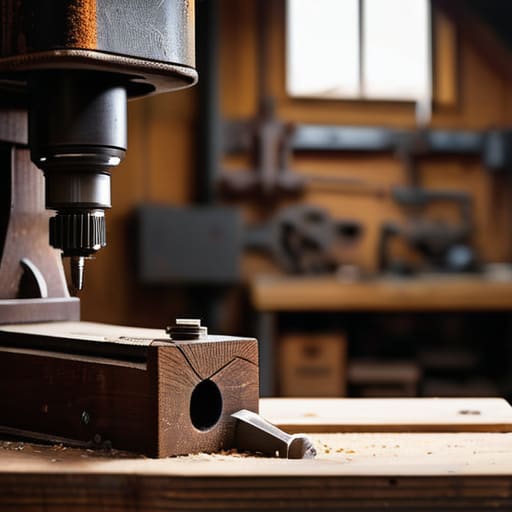
At the end of the day, deciding whether to keep mending or start fresh comes down to more than just the numbers on a spreadsheet. You have to look at the physical reality of the tool in your hand. If you’ve spent more time hunting for spare parts and fighting a motor than you have actually making sawdust, you’re losing the battle. You need to weigh the cost of the repair against the true value of your time and the reliability of the machine when a deadline is looming. Don't let a bit of sentimentality trick you into throwing good money after bad just because a tool has been in your kit for a decade.
My philosophy has always been simple: if it can be sharpened, it can be saved. I still believe there is a dignity in a tool that has been maintained and respected through the years. But part of being a proper craftsman is knowing when a tool has reached the end of its service. When you do decide to move on, don't just grab the first plastic rubbish you see on sale. Buy something built to last, something you can actually maintain, and something that deserves to be in your workshop. A well-chosen tool is an investment in your craft, not just another disposable bit of kit.