Putting an Edge Back on an Axe
 Callum Reith-Sowande
I remember standing in a damp woodlot back in '84, watching a lad try to fell a decent piece of ash with a blunt, heavy axe. He was sweating, cursing, and swinging like a madman, but the wood just bruised instead of splitting. He thought he needed a bigger, more expensive tool, but the truth is much simpler: he just didn't know how to sharpen an axe properly. Most folks today think you need a noisy, sparking grinder to get a decent edge, but that's a load of rubbish that ruins the temper of good steel. If you can't fix it with a stone, you don't own it; you're just renting it from the scrap heap.
I'm not here to give you any of that fancy, over-complicated nonsense you see in those glossy magazines. I'm going to show you the honest, steady way to get a bit of steel biting deep into timber again. We’ll go over the right stones to use, the rhythm of the stroke, and how to avoid the common mistakes that turn a useful tool into a dangerous paperweight. By the time we're done, you'll see why a bit of patience and a sharp edge will beat a power tool every single time.
Guide Overview
Tools & Supplies
- Mill file (for reshaping the edge)
- Honing stone or whetstone (for fine sharpening)
- Honing oil or water (1 small bottle)
- Safety glasses (1 pair)
Step-by-Step Instructions
- 1. First things first, you need to get the axe head clean. If there’s rust, sap, or old grease caked on the edge, you’re just polishing dirt instead of steel. Grab a bit of fine steel wool or a stiff wire brush and get it down to the bare metal. I’ve seen many a lad ruin a good stone because they were too lazy to wipe the blade down first.
- 2. Now, find yourself a decent whetstone. Don't go reaching for one of those cheap, flimsy ones you see in the bargain bins at the big-box stores; they'll wear down before you've even made a dent. If you're working on a heavy felling axe, a large, coarse-grit stone is your best friend. Soak your stone in water if it’s the natural type, or a bit of oil if it’s a synthetic one, because a dry stone is a useless stone.
- 3. Secure the axe in a sturdy vice. You can’t expect precision if the head is wobbling around in your hands like a loose tooth. Make sure the jaw of the vice is padded so you don't mar the metal, then tighten it up. You want both hands free to focus entirely on the angle of the bevel.
- 4. This is where most people lose their way. You need to find the original edge angle—usually around 25 to 30 degrees—and hold it steady. Start at the heel of the axe, near the eye, and push the stone across the edge in a smooth, sweeping motion toward the bit. It’s not about speed; it’s about consistent pressure. If you wobble, you’ll end up with a wavy edge that’ll never hold a bite.
- 5. Keep going until you feel that "burr" forming. That’s a tiny lip of metal curling over the opposite side of the edge. It’s a bit rough to the touch, but it’s the only way you’ll know you’ve actually reached the very tip of the steel. Once you feel it along the whole length, it’s time to move to a finer grit to smooth everything out.
- 6. Flip the axe around and repeat the process on the other side. You aren't trying to grind away half the steel here; you’re just refining what you’ve already started. Work the stone in those same sweeping motions until the burr is gone and the edge feels as smooth as a glass pane.
- 7. For the final touch, I always recommend a bit of stropping. Take a piece of thick leather, maybe even an old belt if you're in a pinch, and rub it against the edge. This removes any microscopic traces of metal left behind by the stone. A bit of honing compound on the leather goes a long way. When you're done, give it a test cut into a piece of soft wood; if it sinks in without a struggle, you've done the job right.
Choosing Axe Sharpening Stone Types That Actually Work
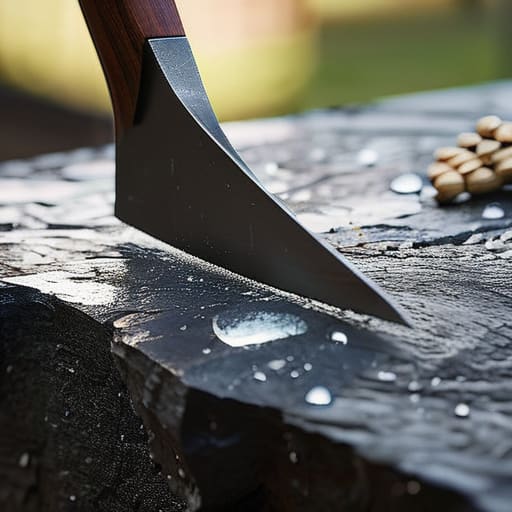
Now, don't go thinking a single stone is going to do all the heavy lifting. If you're looking at the different axe sharpening stone types available, you need to understand that you're looking for a progression, not a one-trick pony. I’ve always found that a coarse, gritty whetstone is your best friend when you're dealing with a nicked or truly dull edge. It’s about removing the metal to reset the geometry. Once you’ve got that shape back, you move to a finer grit. You aren't just trying to make it sharp; you are honing an axe blade so it actually bites into the grain rather than bouncing off it.
If you’re working on a splitting maul, you don't need a mirror polish. In fact, a bit of a meatier bevel angle for wood splitting is much more practical than a thin, delicate edge meant for carving. A razor edge is fine for a fine carving axe, but for heavy work, you want something robust. I always keep a small slip stone in my kit for maintaining a razor edge on the finer tools, but for the heavy stuff, stick to the stones that can actually take a beating.
Mastering the Perfect Bevel Angle for Wood Splitting
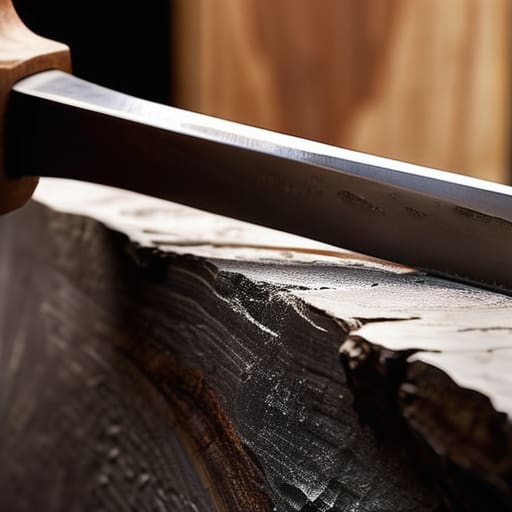
Now, this is where most people trip up. They think a sharp edge is just about being thin, but if you go too fine, you’ll chip the steel the moment it hits a knot. When you're honing an axe blade for heavy work, you need to find that middle ground. For general splitting, I always aim for a slightly steeper angle—something around 25 to 30 degrees. If you try to treat a splitting maul like a delicate carving chisel, you’ll find yourself back at the stone every ten minutes because the edge has folded under the pressure.
It’s a bit of a balancing act. A shallow angle bites deep, but a thicker bevel angle for wood splitting gives you the durability to actually get the job done without constant repairs. I’ve spent forty years watching lads ruin perfectly good steel by trying to make it "razor" sharp when they should have been making it tough. You want an edge that holds its integrity through the grain, not one that vanishes after the first three swings. Take your time with the stone; it’s better to spend an extra five minutes setting the angle right than an hour fixing a ruined bit of iron.
Five things I’ve learned the hard way about keeping an edge
- Stop using the grinder for your fine work. I’ve seen too many lads take a high-speed wheel to a good bit of steel and cook the temper right out of it. Once you’ve got the rough shape, get back to the stone; it’s the only way to know the metal is still healthy.
- Don't neglect the burr. You can spend an hour grinding away at the bevel, but if you don't feel that tiny wire edge forming on the opposite side, you haven't actually finished the job. That burr is your signal that you've reached the steel.
- Keep your lubrication consistent. Whether you’re using oil or water, don't let that stone run dry. A dry stone creates heat and clogs up with metal filings, and once it's loaded, it won't cut a thing.
- Watch your angle like a hawk. It’s easy to let the bit tilt as you work your way down the blade, but a wandering angle means a jagged edge. If you can't hold it steady, slow down. There's no prize for finishing first if the tool is useless.
- Clean the steel properly after you're done. I always make sure to wipe the blade clean of any grit or oil before I put it back in the sheath. You don't want any leftover stone dust acting like sandpaper against the edge when you're storing it.
Respect the Edge
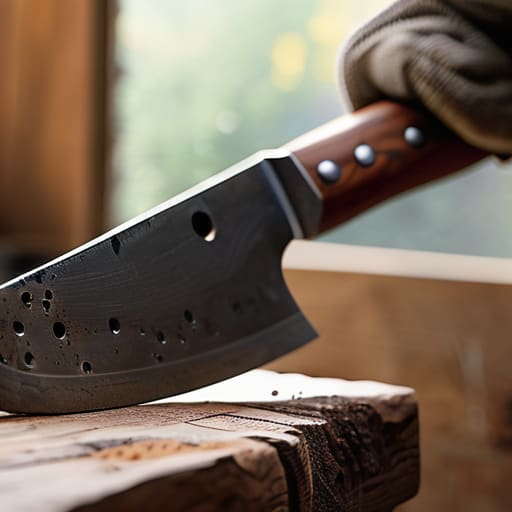
At the end of the day, sharpening an axe isn't about chasing some perfect, mirror-polished finish you'd see in a magazine. It’s about the fundamentals: picking a stone that matches the task, getting that bevel angle consistent so the bit doesn't wedge, and having the patience to work the steel until it actually bites. If you've done it right, you won't be fighting the wood; you'll be working with it. Remember, a bit of time spent at the stone now saves you a hell of a lot of sweat and frustration when you're out in the yard later. Don't rush the process, or you'll just end up with a tool that's more trouble than it's worth.
I see too many young lads these days reaching for a battery-powered grinder the moment a blade goes dull, thinking they can brute-force their way through a job. They miss the point entirely. There is a certain quiet satisfaction in knowing that your tool is ready, maintained by your own hands, and capable of doing more work with less effort than any loud, plastic machine. Take care of your steel, and it will never let you down. A well-maintained axe is more than just a piece of hardware; it's a partner that rewards your respect with every clean, decisive swing.