Judging a Brand by Its Spare Parts
 Callum Reith-Sowande
I remember standing in a workshop back in the nineties, staring at a high-end plane that had gone dead because the manufacturer decided they didn't sell the replacement lever anymore. They wanted you to scrap the whole tool and buy a new one—what they call "planned obsolescence," but I call rubbish. Most people think you just look at a catalogue to see if a part is in stock, but knowing how to review a tool brand's spares is actually about testing whether that part is built to last or if it's just more plastic junk designed to fail. If you can't fix it, you don't really own it.
I’m not here to give you a marketing lecture or a list of shiny brochures. I’m going to show you how to look at a spare part with a joiner's eye, checking the metallurgy and the tolerances before you hand over your hard-earned money. I'll teach you how to spot the difference between a genuine replacement and a cheap substitute that will turn your precision tool into a paperweight. We're going to focus on longevity and repairability, because a tool is only as good as its weakest component.
Why Manufacturer Support Lifecycle Dictates Your Tools Lifespan
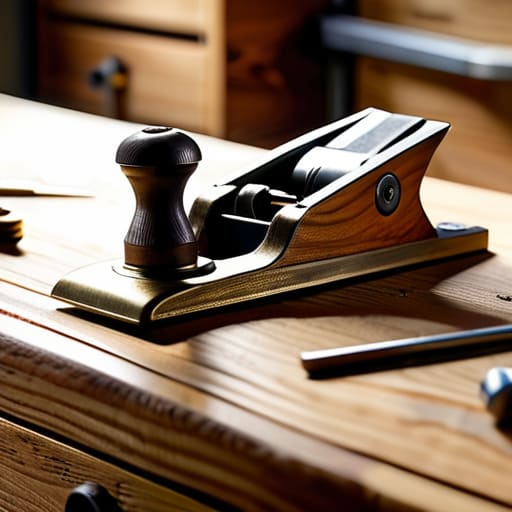
You can buy the finest plane in the world, but it’s only as good as the company that stands behind it. I’ve seen too many lads buy a high-end kit only to find that two years later, a simple brass screw or a specific spring has snapped, and the brand has moved on to the next shiny model. That’s when your investment becomes a paperweight. When I’m looking at a new brand, I’m not just looking at the steel; I’m looking at their manufacturer support lifecycle. If they aren't planning to make parts for that tool ten years from now, they aren't selling you a tool—they’re selling you a subscription to a landfill.
It’s a hard truth, but a tool's true value is tied to its tool repairability score. If a company builds a tool that’s glued shut or uses proprietary bits you can’t source anywhere else, they’ve failed you. You need to know that replacement part availability is a guarantee, not a gamble. I don't care how smooth the cut is today if I can't find a new blade or a replacement handle when the old one inevitably gives up the ghost.
Running a Sharp Spare Parts Cost Analysis
Now, don't get it twisted; I'm not talking about sitting down with a calculator and a spreadsheet like some office clerk. When I talk about a spare parts cost analysis, I mean looking at the long game. I’ve seen too many young lads buy a high-end planer only to find out that a single broken gear costs more than the machine itself. You have to weigh the initial price of the tool against what it’ll cost you to keep it running five years down the line. If the brand treats their components like they're meant to be thrown in the skip, you aren't saving money—you're just delaying a loss.
You also need to be wary of the trap involving aftermarket vs OEM parts. It’s tempting to grab a cheap, unbranded spring or screw from some online warehouse to save a few quid. But I've spent enough time at the bench to know that a part that's almost right is usually wrong. If the tolerances are off by even a hair, you'll end up wearing down the rest of the mechanism. I'd rather pay a bit more for the genuine bit upfront than spend my weekend fighting a tool that's lost its soul to a cheap imitation.
Five Ways to Tell if a Brand is Building for Longevity or Just for the Bin
- Check the availability of the small stuff first. If a company makes it impossible to find a replacement carbon brush, a tension spring, or a specific washer without ordering a whole new assembly, they aren't selling you a tool—they're selling you a future piece of scrap.
- Look for standard versus proprietary parts. I’ve spent too many afternoons trying to fit a bespoke, brand-specific screw into a housing when a standard metric one would have done the job in seconds. If everything is unique to their ecosystem, they're just making it harder for you to keep that tool running.
- Inspect the build quality of the spares themselves. A replacement part shouldn't feel like a toy. If the replacement gear feels like it's made of compressed sugar, it'll strip the moment you put any real torque on it, and you'll be right back where you started.
- See how much "planned obsolescence" is baked into the design. Some modern brands design their tools so that you can't even get the casing open without snapping a plastic clip that isn't sold separately. If you can't get inside to fix it, you don't really own it.
- Test the "repairability" of the documentation. A brand that provides clear, exploded-view diagrams of their tool's internals is a brand that respects the tradesman. If the manual is just a handful of vague safety warnings and no technical drawings, run the other way.
The Long View on Your Toolbox
At the end of the day, reviewing a brand's spares isn't just about checking a catalogue or comparing prices on a screen. It’s about understanding whether you’re buying a tool for a lifetime or just renting it until the first part snaps. You’ve looked at the lifecycle, you’ve weighed the cost of the replacements against the initial price tag, and you’ve seen how much effort it takes to keep things running. If a manufacturer makes it impossible to find a simple replacement part, they aren't selling you a tool; they are selling you a disposable commodity. Don't let yourself be caught out by a shiny finish and a low entry price if it means you'll be scraping the bottom of a bin for a part that doesn't even exist two years down the line.
I’ve spent forty years on site and another ten in the classroom, and if there is one thing I’ve learned, it’s that respect for your tools is respect for your craft. A tool that can be maintained is a tool that can be trusted, and a tool you can trust is what allows you to work with confidence. When you choose a brand that stands behind its spares, you aren't just buying metal and wood; you are investing in your own independence. Buy things that are meant to last, buy things that can be fixed, and remember that true quality is found in the details that keep a tool working long after the marketing hype has faded.