Standing on Concrete All Day
 Callum Reith-Sowande
I remember standing in a lad's new garage back in the nineties, watching him struggle to set up a marking gauge because his floor was nothing but uneven, cracked concrete covered in a layer of cheap, decorative epoxy. He’d spent a fortune trying to make it look like a showroom, but the moment he dropped a heavy mallet, the coating spiderwebbed. Most people get caught up in the aesthetics, thinking they need something fancy to look the part, but if you’re asking how to choose a workshop floor, you shouldn't be looking at a catalogue of shiny finishes. You need to be looking at stability and substance.
I’m not here to sell you on some high-tech resin or a designer coating that’ll peel off the first time you drag a workbench across it. I’m going to tell you what actually works based on forty years of standing on various surfaces, from damp college basements to solid timber sheds. We’ll talk about what stays level, what survives a dropped chisel, and what won't leave your feet aching by midday. I'll give you the straight truth on how to choose a workshop floor that serves your tools rather than just looking good for the neighbours.
Epoxy vs Concrete Workshop Floors Choosing Your Base
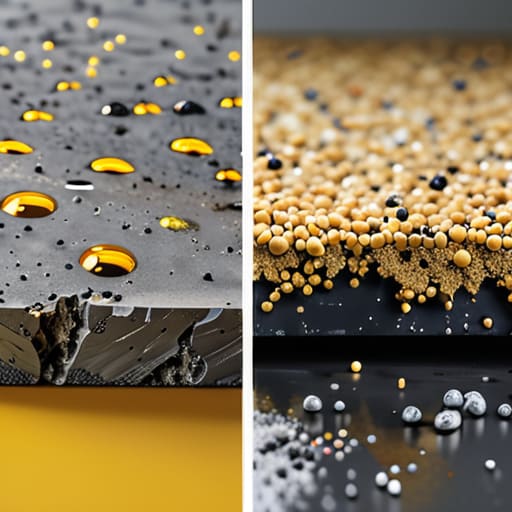
Now, you’ll often find yourself weighing up epoxy vs concrete workshop floors, and it isn't just about what looks smart in a catalogue. Plain concrete is honest; it’s tough, it’s there, and it doesn't pretend to be something it isn't. But if you’re working with oils, fine sawdust, or metal shavings, that porous surface becomes a nightmare to keep clean. You’ll find yourself scrubbing at stains that have soaked deep into the slab, and once that happens, you're fighting a losing battle against the grit.
If you decide to go the route of industrial floor coatings, you're essentially adding a layer of protection that makes sweeping a breeze. An epoxy finish seals those pores shut, meaning spills sit on top rather than sinking in. However, don't go getting carried away with a high-gloss finish just because it looks modern. A floor that’s too slick is a hazard waiting to happen. You want something with a bit of bite—slip resistant workshop surfaces are non-negotiable when you've got sawdust or oil underfoot. It’s about finding that balance between a surface that's easy to maintain and one that actually keeps you on your feet.
Workshop Floor Durability Over Flashy Power Tools

You’ll see plenty of blokes spending a fortune on the latest cordless oscillating tool or a high-end mitre saw, but they haven't given a second thought to what they're standing on. It’s a mistake. If your floor is uneven or gives way under your weight, your precision goes right out the window. You can have the sharpest chisel in the world, but if your footing is unsteady because the surface is crumbling, you’ll never get a clean cut. Workshop floor durability isn't about aesthetics; it's about providing a stable, unyielding foundation for the work you do.
I’ve seen too many young apprentices ruin a good piece of timber because they were fighting a floor that was either too slick or too hard on the joints. If you're opting for something more substantial than bare slab, look for slip resistant workshop surfaces. It doesn't matter how much you spend on your machinery if you're constantly slipping or dealing with a floor that's constantly shifting. Invest in the base first, or you'll just be compensating for a bad setup for the rest of your career.
Five things I’ve learned from forty years of standing on workshop floors
- Check the level before you even think about a finish. If your slab is sloping like a hill in the Highlands, no amount of expensive epoxy is going to stop your workbench from wobbling or your heavy machinery from creeping across the room.
- Don't ignore the dust factor. A floor that’s too porous is a nightmare; it’ll soak up every drop of spilled oil or wood glue like a sponge, and you’ll never get it out. You want something you can sweep or mop without it becoming a permanent part of the substrate.
- Watch your footing. I’ve seen lads spend a fortune on a floor that looks like a showroom, only to spend half their time slipping on fine sawdust. You need a bit of grip—something that stays tacky enough to hold your footing when things get messy, but smooth enough to slide a heavy tool chest across.
- Think about the weight you'll actually be putting on it. If you're planning on installing a heavy-duty planer or a massive timber rack, you need to know that the floor isn't just a thin skin over dirt. Make sure the base can handle the concentrated load without cracking under pressure.
- Plan for the light. It sounds a bit fussy, but a dark, matte floor will swallow every bit of light you've got. If you're doing fine joinery, you need a surface that reflects a bit of light back up at you, otherwise you'll be squinting at your work all day and making mistakes you'll regret.
Making the Right Call
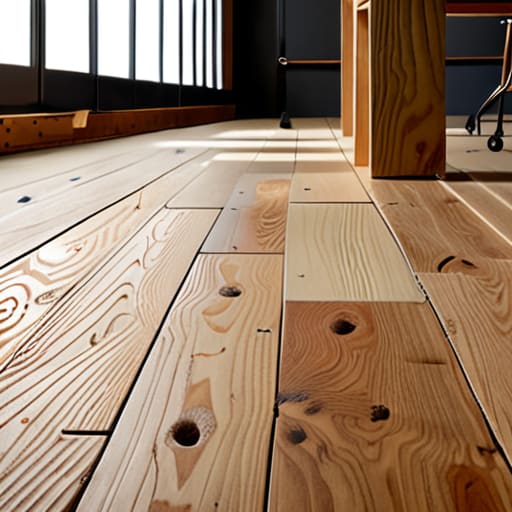
At the end of the day, choosing a floor isn't about what looks best in a showroom catalogue; it’s about what can stand up to the actual work you do. You’ve weighed up the clean, sealed finish of epoxy against the raw, honest grit of bare concrete, and you’ve considered whether you need something that’s easy to sweep or something that won't crack when you drop a heavy piece of seasoned oak. Whatever you decide, remember that your floor is the foundation for every measurement you take and every cut you make. If the ground beneath your feet is uneven or soft, no amount of fine-tuning your tools will ever give you the precision you're after. Build it once, and build it right.
I’ve spent forty years on job sites and in classrooms, and if there is one thing I’ve learned, it’s that you can’t shortcut the basics. You wouldn't use a dull chisel on a piece of fine walnut, so don't settle for a workspace that holds you back. A proper workshop floor is a silent partner in your craft—it stays steady, stays level, and stays out of your way. Take your time with this decision. It might feel like a lot of fuss over something you'll mostly be standing on, but a solid foundation is the first step toward doing work you can actually be proud of. Get the base right, and the rest will follow.