Writing About a Tool That Was Bad
 Callum Reith-Sowande
I remember sitting at my workbench last Tuesday, staring at a new set of chisels that cost more than my first car but couldn't slice through a piece of soft pine without tearing the grain. It’s enough to make you want to throw the whole lot in the scrap bin. Most people online will just write a polite little note about "sub-par performance," but that’s a waste of everyone's time. If you want to actually help someone else avoid the same mistake, you need to know how to review a tool that disappointed without getting bogged down in marketing fluff or technical jargon that doesn't mean a damn thing when you're mid-cut.
I’m not here to give you a lecture or a checklist of fancy metrics. I’m going to show you how to call out a tool's failure based on how it actually behaves in your hands. We’ll look at where the steel failed, why the geometry was off, and most importantly, whether it’s worth the effort to try and fix it or if it’s just expensive rubbish. I’ve spent forty years learning what makes a tool work, and I’ll tell you exactly how to tell the truth about what doesn't.
Performing a Product Failure Analysis Without the Noise
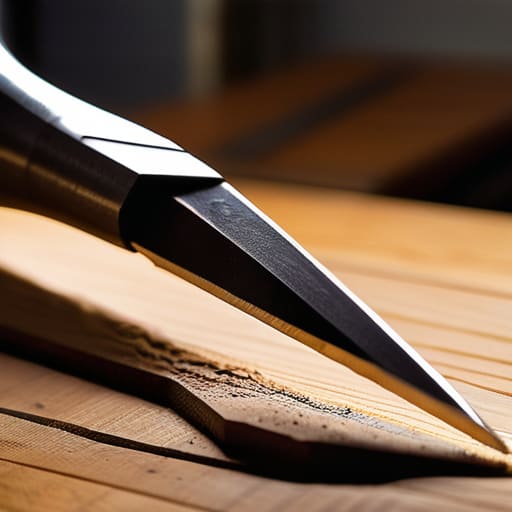
When a tool lets you down, the first thing you'll feel is the urge to vent. You want to swear at the manufacturer or write a tirade that does nothing but clog up the internet. But if you want to be useful, you have to strip the emotion away. Real product failure analysis isn't about being angry; it's about being clinical. I don't care if the handle snapped or the steel wouldn't hold an edge; I want to know why it happened. Did the grain of the wood fail under a standard load, or was it a manufacturing defect in the tempering?
To do this right, you have to focus on the mechanics of the failure. If you're just shouting about how much money you wasted, you're not helping anyone. Instead, aim for communicating product flaws with precision. If a chisel's bevel is inconsistent, don't just say it's "rubbish"—state exactly where the geometry fails. This approach is the only way to ensure you're providing constructive criticism in product reviews that actually matters to the person standing in the tool aisle, trying to make a sensible choice.
Communicating Product Flaws to Those Who Actually Work
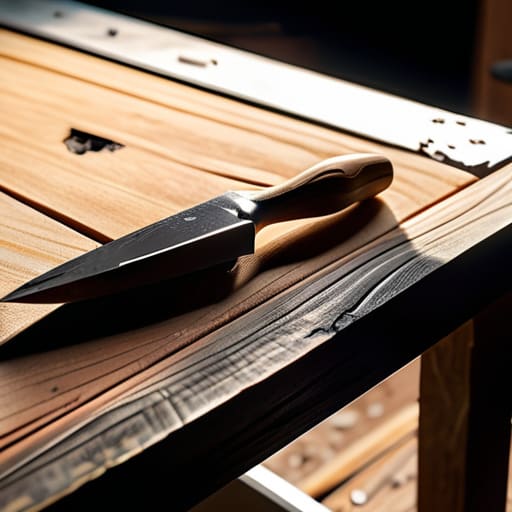
Once you’ve done the hard work of figuring out exactly where a tool let you down, you have to tell someone. But there’s a difference between a proper report and just having a moan. If you want to practice ethical reviewing practices, you need to move past the emotion. I’ve seen plenty of lads go on rants because a chisel snapped or a plane sole was bowed, but a rant doesn't help the apprentice down the road. You need to be specific. Don't just say it's "rubbish"; say the steel didn't hold an edge after three passes through the strop, or the handle was set at an angle that'll ruin your wrist by midday.
The goal here is communicating product flaws in a way that actually carries weight. If you want to know how to write an unbiased review, keep your eyes on the mechanics of the failure. I’m not interested in whether the packaging was pretty or if the brand name is famous. I want to know if the tool does the job it was built for. When you stick to the facts of the build and the performance, you stop being a customer complaining and start being a tradesman providing a service.
Five Rules for a Review That Carries Weight
- Don't just say it's "bad." Tell me exactly where the failure happened—was it a steel that wouldn't hold an edge, or a handle that split on the first heavy strike? A vague complaint helps no one.
- Test it against the standard. If you're reviewing a chisel, don't just talk about how it feels; tell me how many passes it took to get a clean shaving. Compare it to the tool you know works.
- Separate the design from the manufacturing. Sometimes a tool is brilliantly conceived but poorly made, and sometimes it's a rubbish idea built perfectly. You need to know which one you're dealing with.
- Check if it's fixable. My rule is I won't own what I can't repair. If a tool fails because of a minor part that can be replaced, it's a nuisance; if it's built so poorly that it's unserviceable, it's junk.
- Watch the clock. If a "time-saving" power tool ends up taking longer because you're fighting the machine or fixing its mistakes, put that time on the record. That's the only metric that matters in a real workshop.
The Final Word on Bad Steel
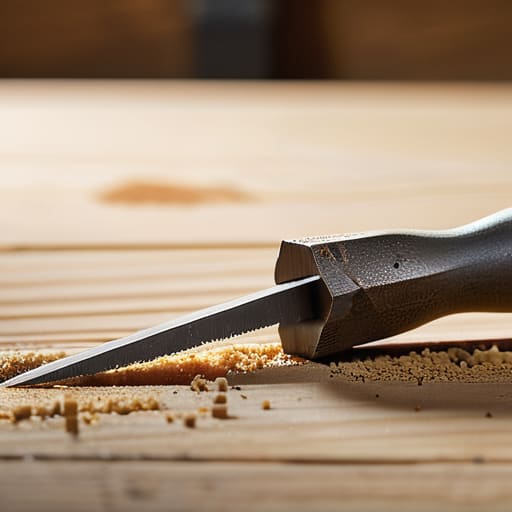
At the end of the day, reviewing a tool that let you down isn't about venting your frustration or being difficult for the sake of it. It’s about stripping away the marketing fluff and getting down to the mechanical reality of why that piece of steel failed you. You’ve looked at the failure, you’ve identified if it was a design flaw or just poor manufacturing, and you’ve told the truth about how it actually behaves in a real workshop. By being specific rather than just angry, you turn a bad purchase into valuable intelligence for the next person picking up a chisel or a plane.
Don't let a bad tool sour your relationship with the craft, though. We’ve all been there—standing over a workbench with a tool that feels more like a toy than a professional instrument. But remember, the quality of your work isn't dictated by the brand name on the handle, but by the integrity of your hands and the sharpness of your edge. If a tool is rubbish, discard it, repair what you can, and move on. Keep your eyes sharp, your blades sharper, and never settle for anything that can't stand up to a day's honest work.