Honing Guides Judged on Repeatability
 Callum Reith-Sowande
I see these glossy magazine spreads and YouTube videos where someone spends twenty minutes talking about "precision engineering" and "ergonomic grips" before they've even put a blade in the thing. It’s nonsense. Most of those reviewers wouldn't know a consistent bevel if it bit them in the hand, and frankly, I'm tired of seeing people throw money at plastic gadgets that won't last a single season. If you want to know how to review a honing guide properly, you don't look at the fancy packaging or the marketing jargon; you look at whether it can actually hold an angle when the pressure is on.
I’m not here to give you a lecture on technical specifications that don't matter in a real workshop. My promise to you is simple: I’m going to show you how to test these tools based on actual work. We’ll look at build quality, how easily you can fix it when it inevitably gets knocked about, and most importantly, if it produces a razor edge without wasting your time. If a guide can't help me get a chisel sharp enough to shave with in a few minutes, it’s just more clutter on my workbench.
Mastering Sharpening Tool Evaluation Criteria
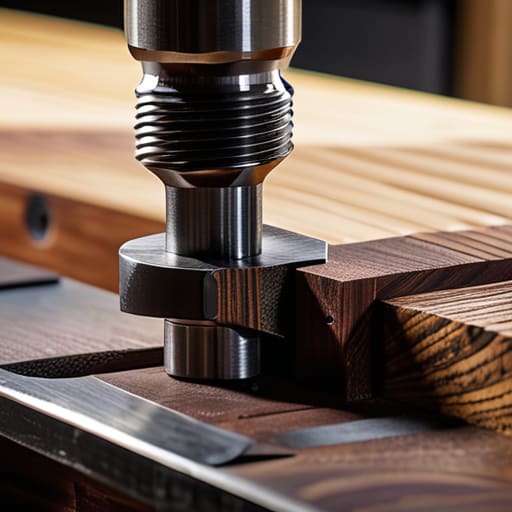
When I’m looking at a new bit of kit, I don't care much for the fancy packaging or the marketing fluff. I start with the basics of honing guide stability and build quality. If the frame flexes when you tighten the clamp, or if the adjustment screw feels like it’s made of soft tin, it’s useless to me. A guide that wobbles is just a way to ruin a perfectly good piece of steel. I need to know that once I set the angle, it stays put. If I can’t trust the tool to hold its ground, I won't trust it to hold an edge.
The real test, though, comes down to achieving consistent bevels across a dozen different chisels. I don't just test it once; I put it through its paces to see if it maintains that same angle from the first stroke to the last. You have to look for any sign of play in the mechanism. If the guide can't deliver a repeatable, flat surface every single time, it's nothing more than a paperweight. In my shop, consistency is the only metric that matters.
Testing Blade Angle Precision for Real Results
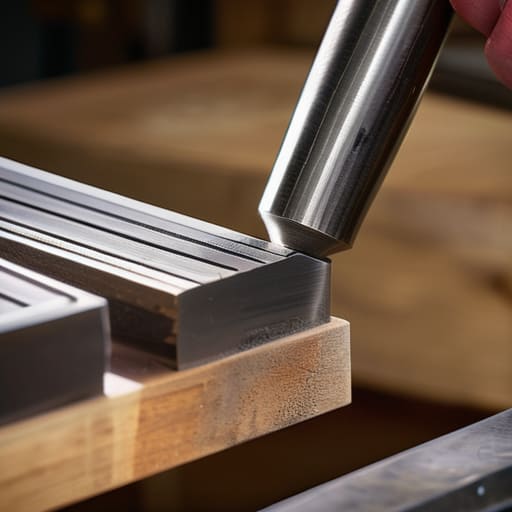
When I’m looking at a new guide, I don't care much for the fancy marketing about "precision engineering." I care about whether the thing actually holds a line. I start by setting a chisel into the holder and checking if it stays true when I tighten the screw. If that blade shifts even a fraction of a degree while you're clamping it, you’ve wasted your time and your stone. For me, blade angle precision testing isn't about using a digital protractor; it’s about seeing if the tool maintains the same bevel from the first pass to the last.
I also keep a close eye on how the guide interacts with the stone. If the base is flimsy or the adjustment mechanism has too much play, you'll never achieve those perfectly consistent bevels required for a fine paring chisel. I’ll run a few different blades through it—some old bevel-edge chisels I’ve had for decades and some newer ones—to see if the guide handles different thicknesses without wobbling. If a guide can't provide a rock-solid foundation, it’s just another bit of plastic destined for the scrap heap.
Five Things I Look For Before I Let a Honing Guide Into My Workshop
- Check the clamping mechanism first. If it’s a flimsy bit of plastic that slips the moment you apply any real pressure, it’s useless. I need to see something solid that holds the blade dead still while I’m working the stone.
- Look at the adjustment screws. They shouldn't feel like they're grinding through sand. I want smooth, fine-threaded movements that let me dial in an angle without having to fight the tool itself.
- Test the stability of the base. A good guide shouldn't wobble or dance across the stone. If it’s top-heavy or lacks a decent way to sit flat, you’ll spend more time correcting your mistakes than actually sharpening.
- Watch out for "planned obsolescence." I won't buy a guide made of parts that are designed to snap or wear down after a season of use. If I can't fix the adjustment knob or replace a worn part myself, it stays on the shelf at the shop.
- See how much it interferes with the stone. Some of these modern designs are so bulky they make it impossible to use a standard water stone properly. A good guide should work with your tools, not get in their way.
Final Thoughts on the Right Guide
At the end of the day, reviewing a honing guide isn't about reading a glossy brochure or checking off a list of fancy features. It’s about whether the thing actually holds its ground when you're halfway through a session. You need to know if the angle stays true, if the clamping mechanism is sturdy enough to hold a heavy chisel without slipping, and if the whole setup is built to last. If a guide is made of flimsy plastic that’ll snap the moment you apply real pressure, it’s nothing more than expensive scrap metal. I don't care how many angles it claims to hold; if it can't deliver a consistent, repeatable edge every single time you pick it up, it’s not worth the space on my workbench.
I’ve spent forty years seeing men rush through their work because they're fighting blunt steel. They think they're saving time with a power sander, but they're just losing the soul of the wood. A proper honing guide is your bridge between a dull, frustrating afternoon and a session where the shavings are as thin as tissue paper. Don't settle for tools that are designed to be replaced every two years. Invest in something you can maintain and master. When you finally get that edge right, you'll realize that patience is the sharpest tool in your kit.