Four Kinds of Pliers and When
 Callum Reith-Sowande
I remember a lad on my site back in the nineties, a bright enough boy, but he spent more time fumbling with a massive, cheap set of multi-purpose grips than he did actually working. He’d be sweating, cursing at a stubborn wire or a misplaced nail, while I sat there with a single pair of end-nippers and finished the job before he’d even found his footing. Most people think they can just grab any heavy bit of steel from a bargain bin and call it a day, but if you don't understand how to choose pliers and pincers that actually suit the grip and the tension you need, you’re just wasting your time.
I’m not here to sell you on some fancy, chrome-plated nonsense that’ll snap the first time you put some real leverage behind it. I’ve spent forty years seeing what holds up and what ends up in the scrap heap, and I intend to tell you the truth about it. I’ll show you how to spot a tool that’s built to last and, more importantly, how to pick the specific shape that makes the job effortless. We’re going to focus on the mechanics of the tool, not the marketing, so you can get back to the work that matters.
Mastering the Difference Between Pliers and Pincers
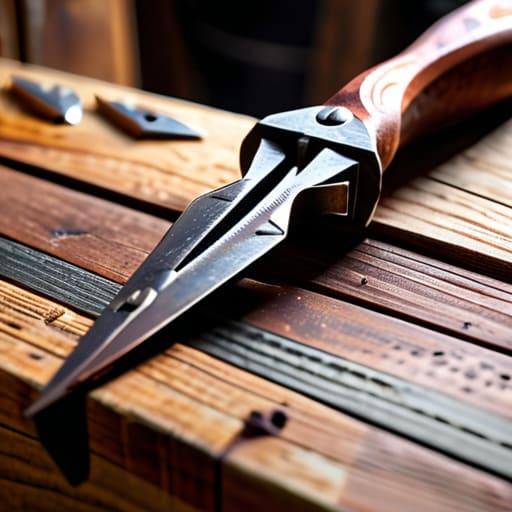
Now, don't go grabbing the first pair of pliers you see in the toolbox just because they look heavy enough. There’s a fundamental difference between pliers and pincers that most people overlook until they’ve already mangled a piece of metal. Pliers are designed for gripping, twisting, or even bending; they have flat or serrated jaws meant to hold onto something securely. Pincers, on the other hand, are built for a different sort of violence. They are meant for pulling—nails out of timber or wire out of a wall—and they rely on a pivoting action to leverage force.
If you try to use pincers to hold a delicate copper pipe, you’ll crush it flat in seconds. Conversely, using standard pliers to rip a stubborn nail will only result in you slipping and bruising your knuckles. You need to understand the mechanical advantage in hand tools before you start pulling. A good pair of pincers uses that long handle to multiply your strength, whereas pliers focus on the jaw grip strength and material contact to ensure nothing slips while you're working. Pick the right one for the job, or you'll spend more time fixing your mistakes than doing the work.
A Hand Tool Selection Guide for the Focused Craftsman
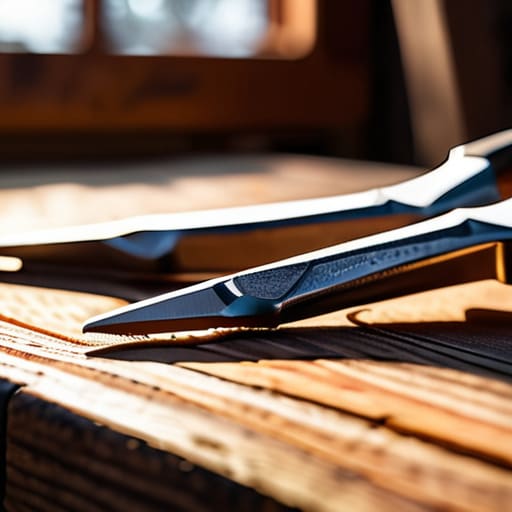
When you’re standing in the tool aisle, don't let the bright packaging fool you. Most of what they sell these days is designed to be replaced, not used. A proper hand tool selection guide shouldn't be about finding the cheapest set in the box; it’s about understanding the physics of the job. If you're working with something delicate, you need a tool that offers control, not just raw force. If you're trying to pull a stubborn nail or twist a bit of wire, you need to look at the mechanical advantage in hand tools—the way the pivot point is positioned to multiply your strength without you having to squeeze until your knuckles turn white.
I’ve spent more years than I care to admit teaching apprentices that the wrong tool is a waste of time. You need to consider the jaw grip strength and material before you commit. For heavy-duty tasks, you want hardened steel that won't deform the moment it hits resistance. For finer work, look for something with a clean, precise bite. If the tool feels unbalanced or the handles feel like cheap plastic, put it back. A tool that doesn't fit your hand is a tool that will eventually fail you.
Five things to look for before you part with your hard-earned money
- Check the pivot point first. If the joint feels loose or has too much play in it when you squeeze the handles, walk away. A tool that wobbles in your hand will never give you the precision you need, and you can't fix a poorly engineered pivot once it's gone.
- Feel the weight and the balance. I don't care what the catalogue says about "ergonomics"; put them in your palm. If they feel top-heavy or awkward, they'll tire your hand out before the job is half done. A good tool should feel like an extension of your own grip.
- Look at the teeth. Some manufacturers make jaws so smooth they might as well be polished stone, which is useless for gripping. You want teeth that bite, but not so aggressive that they mar the material you're working on. It's about controlled grip, not brute force.
- Inspect the handles for repairability. If the grips are some sort of cheap, glued-on plastic that's going to crack and peel in two years, leave them on the shelf. I prefer tools where the handles can be stripped, cleaned, or even replaced if they take a beating.
- Test the leverage. Close the tool slowly and feel the resistance. You want a tool that does the work for you, not one that requires you to white-knuckle the handles just to get a decent squeeze. If you're fighting the tool, the tool is wrong for the task.
Choosing for the Long Haul
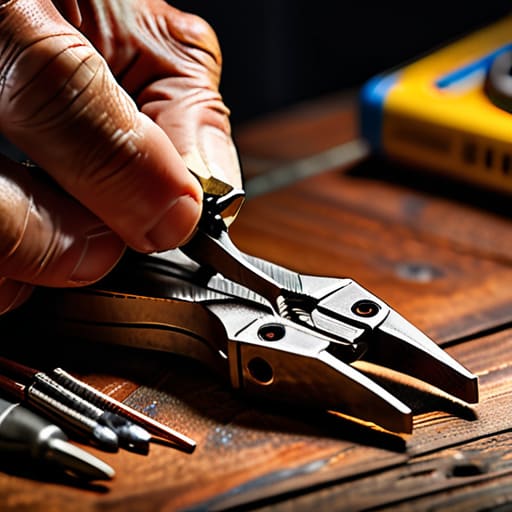
At the end of the day, picking the right pliers or pincers isn't about finding the biggest set in the catalogue; it's about knowing exactly what kind of grip you need for the job at hand. Whether you are reaching for heavy-duty combination pliers to twist wire or a fine pair of needle-nose for delicate work, the tool must feel like an extension of your own hand. Remember, a tool that is poorly matched to the task will only end up damaging the workpiece or, worse, straining your own grip. Don't settle for those cheap, stamped-metal versions that you'll be tossing in the scrap bin by next Christmas. Invest in quality steel and a pivot that won't go slack after a month of use.
I've spent forty years watching men rush through jobs with the wrong gear, only to spend twice as long fixing the mistakes they made. If you take the time now to select tools that are built to last, you aren't just buying hardware; you are investing in your own efficiency. A well-chosen tool, kept clean and properly oiled, will outlive you. Stop treating your tools like disposables and start treating them like the lifelong partners they are. Once you find that perfect pair that fits your palm and does exactly what you command, you'll realize that true precision doesn't come from a motor, but from the steady hand and the right bit of steel.