Whether a Track Saw Replaces a Table Saw
 Callum Reith-Sowande
I spent thirty years on site and another ten in the classroom, and if there’s one thing that gets my goat, it’s the way modern tool reviews read like a bloody sales brochure. You’ll see some lad on a screen talking about "cutting-edge ergonomics" or "unmatched precision metrics," but he’s never actually had to fight a tool that's fighting him back. Most people don't know how to review a track saw based on whether it'll actually hold its line after six months of heavy use; they just look at the shiny plastic and the battery life. If a tool is built to be a disposable bit of junk that you can't even service yourself, I don't care how many fancy features the manual claims it has.
I’m not here to sell you on a brand or chase views. My promise is simple: I’m going to show you how to look past the marketing fluff and judge a saw by its actual performance on the timber. We’ll look at the build quality, the ease of maintenance, and whether that track is actually going to stay true when the work gets serious. I’ll give you the honest truth, because at the end of the day, a tool is only as good as its ability to do the job without failing you when the deadline is looming.
Beyond the Hype Real Woodworking Tool Testing Criteria
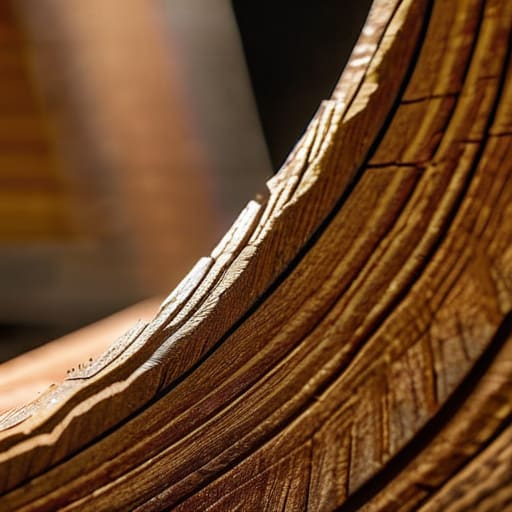
When you're looking at those glossy brochures, they’ll tell you about motor speeds and battery life, but that’s not how I judge a tool. I don't care how much torque a motor has if the cut isn't true. My personal woodworking tool testing criteria start with the edge. I take a piece of seasoned oak—something that’ll fight you if you aren't careful—and I see if the blade wanders. If I can't trust the line, the whole machine is just expensive scrap metal.
You also have to look at the physical connection between the blade and the guide. I’ve seen plenty of cheap setups where the rail flexes under pressure, and once you lose that stability, you've lost the battle. I pay close attention to the track saw guide rail durability; if the anodizing wears off or the rail bends after a month of heavy use, it’s a consumable, not a tool. A proper tool should feel like an extension of your arm, not something you're fighting to keep straight. If the guide feels flimsy, I’m not putting it in my kit.
Why Track Saw Cutting Precision Trumps Raw Power
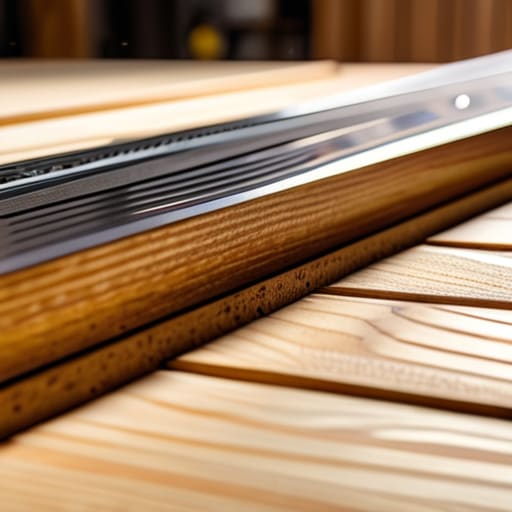
When you’re looking at a new machine, the marketing lads will always lead with the RPMs or the wattage. They want you to think more power equals a better cut. But after forty years on site, I can tell you that raw grunt is useless if the line wanders. In my experience, track saw cutting precision is the only metric that actually matters when you’re trying to get a joint to close up without forcing it. A motor that screams but can’t hold a straight line is just a loud way to make expensive firewood.
If you’re weighing up a standard circular saw vs track saw, don't get distracted by how much torque the motor has. A handheld circular saw is a brute; it’s meant for roughing out, not for the fine work that demands accuracy. A proper track saw should feel like an extension of your hand, guided by a rail that doesn't flex under pressure. If the guide rail feels flimsy or the base plate has even a hint of play, you aren't buying a precision tool—you're just buying a very expensive, very loud way to ruin a good piece of oak.
What I Actually Look For When Testing a Saw
- Don't let the salesman talk to you about RPMs or motor wattage; those numbers don't mean a thing if the blade wanders mid-cut. I want to see if the guide rail holds a straight line under pressure, or if it hunts like a nervous apprentice.
- Check the dust extraction, but don't just look at the vacuum port. I want to see if the shroud actually clears the kerf. If you're spending more time blowing sawdust out of the track than you are cutting, the tool is a failure.
- Look at the build quality of the baseplate. Most modern manufacturers treat the underside of a saw like a disposable consumable. If that plate isn't thick enough to stay dead flat, or if it feels like thin tin, it'll never give you a repeatable cut.
- Test the weight and the balance. A track saw isn't a toy, but it shouldn't feel like you're lugging a sledgehammer around the workshop all day. If I can't guide it with one hand while maintaining control, it's poorly designed.
- See how much "faff" is involved in the setup. If it takes ten minutes of fiddling with clamps and tensioners just to get a single straight line, you've already lost the battle. A tool should get out of your way so you can get to the work.
Making the Final Cut
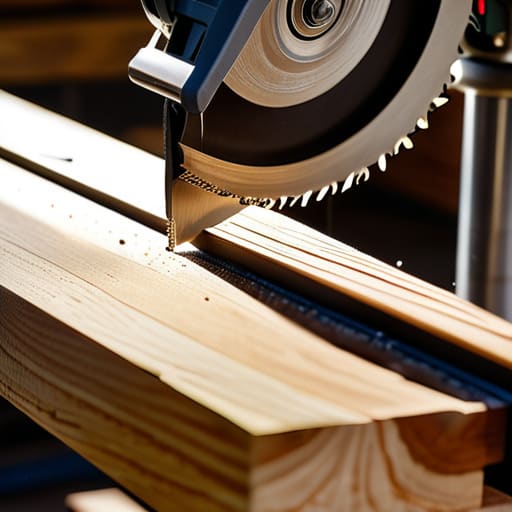
At the end of the day, reviewing a track saw isn't about reading a spec sheet or counting how many lumens the LED light throws on the timber. It’s about whether that machine holds a straight line when the grain gets tough and whether the dust extraction actually keeps your lungs clear. You need to look past the marketing gloss and test the actual stability of the rail and the consistency of the depth adjustment. If a saw can't deliver a repeatable, clean edge every single time you pull the trigger, it's nothing more than an expensive way to make a mess. A tool is only as good as the work it leaves behind, and precision is non-negotiable if you want to do a job right.
I know there’s a lot of pressure to buy the newest, flashiest kit on the market, but don't let the bells and whistles distract you from the fundamentals. A tool should serve you, not the other way around. I still say a well-honed chisel has a soul that a motor can't replicate, but I'm not saying you shouldn't use a track saw when the task demands it. Just make sure that when you do invest, you're buying something built to last and be maintained, not something destined for a landfill the moment a plastic gear snaps. Buy smart, test hard, and respect the craft.