Steel Types and What They Trade Off
 Callum Reith-Sowande
I remember sitting in a college workshop back in the nineties, watching a lad struggle with a cheap set of chisels that wouldn't hold an edge for more than ten minutes of actual work. He was staring at a glossy catalogue, trying to make sense of all those fancy chemical symbols and marketing jargon, looking for some magic answer on how to compare steel types in tools. The truth is, most of those shiny brochures are just a way to sell you a piece of metal that’s designed to be thrown away the moment it gets a nick in it. They want you to believe that unless you’ve got a degree in metallurgy, you can't tell a good blade from a piece of scrap, but that's a load of rubbish.
I'm not here to give you a chemistry lesson or a lecture on molecular structures. What I want to do is show you how to look at a tool and actually understand its soul. I’ll teach you how to spot the difference between steel that’s built to be sharpened for a lifetime and the soft, useless junk being sold as "professional grade" these days. We’re going to focus on what actually matters: edge retention, toughness, and repairability.
Decoding Carbon Content in Tool Steel
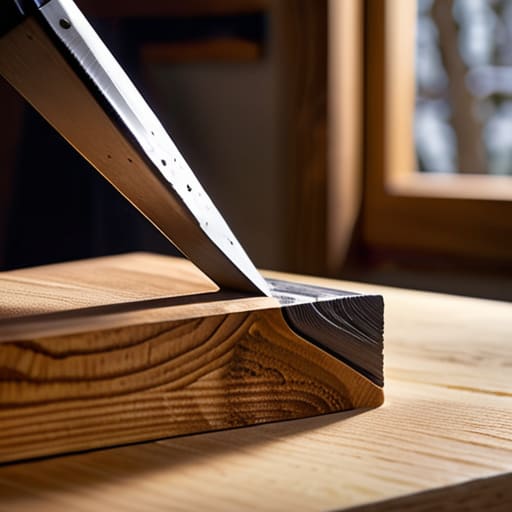
Now, you can’t just look at a piece of steel and know its soul, but the carbon is where the story starts. Think of it like the seasoning in a stew; too little and it’s bland, too much and it’s unpalatable. In my years on site, I’ve seen plenty of cheap chisels that look fine until you try to take a shaving. That’s because the carbon content in tool steel is too low to hold an edge against seasoned oak. You want enough carbon to ensure that when you go to the grindstone, the metal actually responds to the heat treatment rather than just sitting there like dead weight.
But don't go thinking more carbon is always better. There’s a fine line between a tool that cuts and a tool that shatters. You have to understand the balance of hardenability vs toughness. If you push the carbon too high without the right tempering, you’ll end up with a blade so brittle it’ll snap the moment it hits a knot in the timber. I’ve spent many an evening at my bench learning that a tool needs to be hard enough to stay sharp, but supple enough to survive a real day's work.
Why Hardness Scale Numbers Lie to You
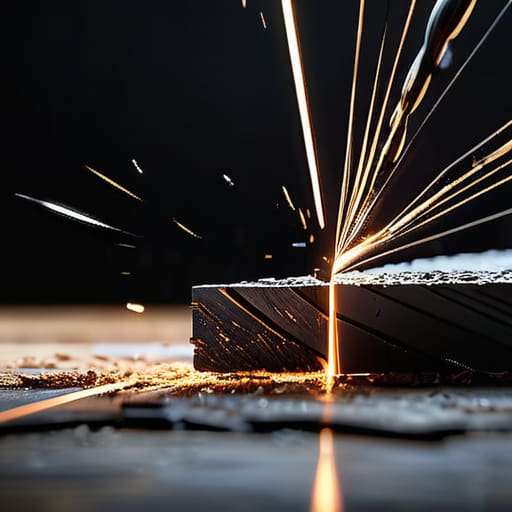
You’ll see a lot of youngsters looking at a spec sheet and thinking a high number on the Rockwell scale is the end-all and be-all. They see a high rating and assume they’ve bought a tool that’ll last a lifetime. But a number on a page doesn't tell you how that steel behaves when it hits a knot in an oak board. There is a massive difference between hardenability vs toughness, and if you don't understand that, you're just buying expensive paperweights.
A tool can be hard enough to scratch glass, but if it’s brittle, it’ll chip the moment you apply any real lateral pressure. I’ve seen plenty of "high-performance" chisels shatter like glass because the maker chased hardness at the expense of everything else. You want a tool that holds an edge, yes, but you also need it to survive the work. If the steel is too hard, it loses its ability to absorb shock, and you'll spend more time regrinding chips than actually cutting wood.
Five Ways to Tell if a Tool is Worth Your Time
- Stop looking at the shiny finish. A tool can look like a piece of jewelry and still be made of soft, cheap iron that won't hold an edge for more than ten minutes of actual work.
- Test the 'ring' of the metal. When you tap a decent high-carbon chisel, it should sing a clear, bright note; if it gives you a dull thud, that steel is either impure or poorly tempered.
- Watch how it reacts to the stone. If a blade bites into your sharpening stone like it’s cutting through butter, it’s likely too soft; a proper tool should offer a bit of resistance, showing you it’s actually got some grit.
- Look for the grain. If you can see a coarse, uneven structure in the metal, it’s going to be a nightmare to sharpen, and it’ll likely chip the moment you hit a knot in a piece of oak.
- Check the weight against the purpose. Good steel has a certain heft that feels right in the hand; if a tool feels suspiciously light for its size, they've likely skimped on the metal quality to save a few pence.
The Final Cut
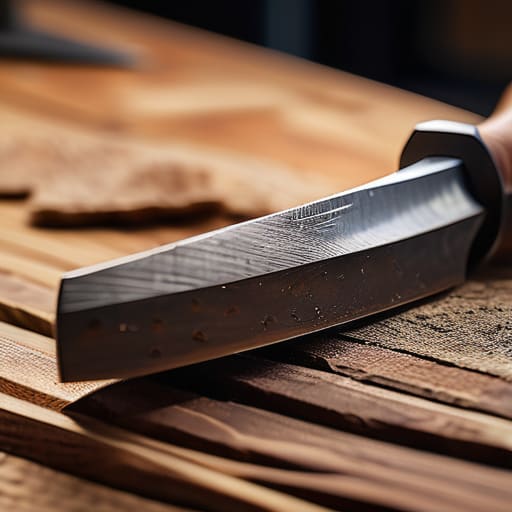
At the end of the day, choosing a tool isn't about reading a spec sheet or getting caught up in the marketing jargon of a catalog. You’ve learned that carbon content dictates how long that edge stays biting, and that a high Rockwell number doesn't mean a damn thing if the steel is too brittle to handle a bit of lateral pressure. You have to look for the balance between toughness and edge retention. If you buy a tool that’s all hardness and no soul, you’ll spend your whole afternoon regrinding a chip instead of actually working the wood. Don't let a shiny finish fool you; trust the chemistry of the metal, not the salesperson.
I’ve spent forty years watching men throw away perfectly good steel because they didn't understand what they were holding in their hands. It’s a waste of good material and a waste of a craftsman's time. My advice is simple: stop looking for the cheapest way to get a job done and start looking for the tool that is worth the effort to maintain. A tool you can sharpen, a tool you can repair, and a tool that respects the grain is worth ten times its weight in plastic power tools. Get the right steel, keep it keen, and let the tool do the work.