Picking a Mallet for Chisel Work
 Callum Reith-Sowande
I remember standing in a college workshop back in the nineties, watching a bright-eyed apprentice reach for a massive, expensive rubber mallet to drive a delicate paring chisel. The look on his face when he nearly split the handle was a lesson in itself. Most people think you need a fancy, multi-purpose tool from a big-box retailer, but learning how to choose a mallet isn't about finding the most expensive piece of hardware on the shelf. It’s about understanding the physics of the strike. If you pick a tool that’s too heavy, you’ll tire your wrist out before lunch; if it’s too light, you’re just playing at carpentry.
I’m not here to sell you on some high-tech, ergonomic nonsense that’ll end up in a landfill in two years. I’ve spent forty years on site and ten in the classroom, and I’ve learned that a good mallet should be something you can feel in your bones. In this guide, I’m going to show you how to pick a mallet that actually works with your hand, not against it. We’ll talk about weight, grain, and why a simple piece of seasoned beech is often better than anything you'll find in a modern kit.
The Crucial Debate Rubber Mallet vs Wooden Mallet
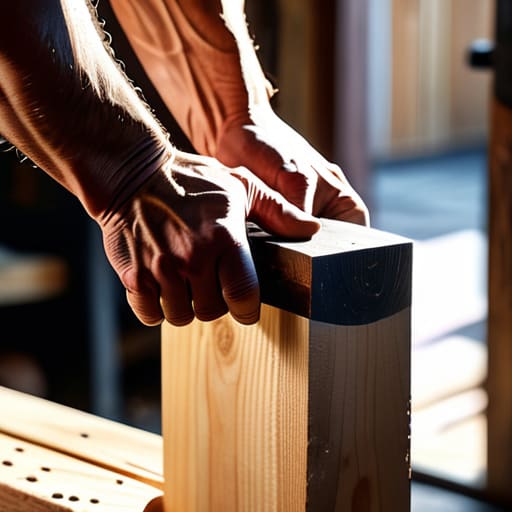
Now, you’ll see plenty of folks reaching for a rubber mallet the moment they need to nudge something into place. It’s tempting, I suppose, because it feels safe. You think you’re protecting the workpiece, but in my experience, you’re often just trading precision for a dull, bouncy impact. If you’re doing proper joinery, a rubber head lacks the feedback you need to feel exactly where that joint is seating. It’s a bit like trying to drive a nail with a sponge; you might get there eventually, but you’ll spend more time correcting your mistakes than actually working.
For real bench work, I’ve always stood by the wooden mallet. There is a specific honesty to the weight of a well-made piece of beech or hornbeam. When you're protecting chisel handles with mallets, a wooden head provides a solid, dead blow that transfers energy directly through the tool without the rebound. If you’re doing heavy tasks like paring out a mortise, you might want a larger, heavier chopping mallet for woodworking, but for everything else, the wood-on-wood connection is king. It tells your hands exactly what the timber is doing.
Finding the Best Mallet for Joinery Success
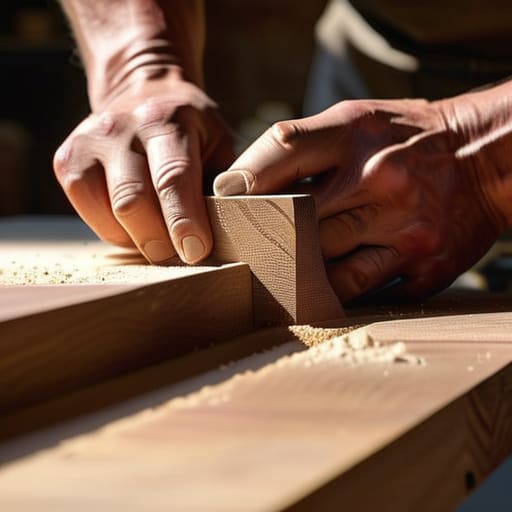
When you're looking at the different woodworking mallet types, don't just grab the first one that looks heavy enough to dent a floorboard. You need to consider the task at hand. If you are doing fine joinery—say, paring a tenon or seating a delicate dovetail—you want something with a bit of finesse. A mallet that is too heavy will make you clumsy, and you'll end up fighting the tool rather than the wood. I always tell my students that the best mallet for joinery is one that feels like an extension of your own arm, providing a controlled, predictable strike every single time.
For the heavier work, like driving a chisel through a thick piece of oak, you’ll need a proper chopping mallet for woodworking. This is where the mallet weight for different tasks becomes vital. A heavy, solid head provides the momentum you need so you aren't relying on brute strength, which only leads to tired muscles and sloppy cuts. However, always keep an eye on your equipment; using a mallet that’s too hard or poorly shaped can end up damaging your chisel handles faster than you can replace them. Choose for purpose, not for bulk.
Five Things to Look for Before You Buy
- Check the grain. If you’re buying a wooden mallet, the grain should run straight down the length of the handle, not across it. If the grain is running sideways, that handle is going to snap the first time you give it a proper whack.
- Feel the balance in your hand. A mallet shouldn't feel like a heavy brick that you're fighting to control. It needs to have a bit of weight in the head to do the work, but the balance should allow you to guide it precisely to the chisel handle.
- Avoid the "fancy" shop specials. You don't need a mallet with brass inlay or exotic woods that look good on a shelf. I only care if it's solid, well-turned, and won't fall apart after a month of heavy use.
- Test the grip. A handle that's too thin will cramp your hand during a long session, and one that's too thick is hard to control. It should feel natural, like an extension of your arm, not something you're white-knuckling.
- Look for a clean striking face. Some cheap mallets come with a surface that's uneven or splintered right out of the box. If the face isn't flat and true, you'll spend more time fixing the tool than actually using it on your timber.
Final Thoughts Before You Strike
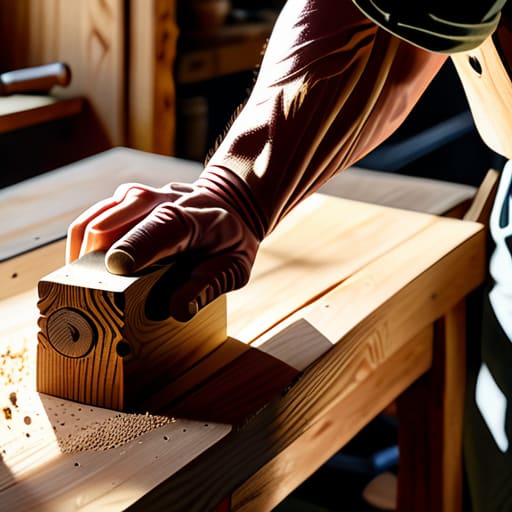
At the end of the day, choosing a mallet isn't about buying the most expensive piece of gear you can find in a catalogue. It’s about understanding the physics of the strike. If you’re working on delicate mortise and tenon joints, you’ll want that solid, reliable wooden mallet that gives you honest feedback through the handle. If you're just nudging a piece of trim into place without marring the surface, a rubber mallet is your friend. Don't get caught out trying to use a heavy-duty framing mallet for fine joinery, or you'll find yourself fighting the wood rather than shaping it. Just remember: the tool should feel like an extension of your arm, not a clumsy weight you're struggling to control.
I’ve spent forty years watching lads rush into a job with a power tool when a simple, well-weighted mallet would have finished the work with half the effort and twice the precision. There is a certain rhythm to manual work—a steady, controlled pace that a motor simply can't replicate. When you pick up a mallet that's weighted correctly and balanced in your hand, you aren't just hitting wood; you're mastering the material. Stop looking for shortcuts and start looking for the right tool for the task. Once you find that balance, you'll see exactly what I mean about the power of a steady hand.