A Drawer That Runs Smoothly Again
 Callum Reith-Sowande
Most folks see a drawer that’s catching and immediately reach for a bottle of wax or, worse, a heavy-duty orbital sander to grind the wood down. They think they need more force or more chemicals, but that’s usually a mistake. I remember a lad in my college workshop years ago who nearly ruined a fine mahogany chest because he tried to sand his way out of a problem that just needed a bit of finesse. If you’re looking for how to repair a drawer that sticks, you don't need to go buying expensive hardware or making a mess with power tools. Usually, the wood is just telling you it’s been worked too hard or hasn't been respected.
In this guide, I’m going to show you how to find the real culprit—whether it's a swollen rail or a bit of grit in the runners—without destroying the piece. I'll walk you through the proper way to use a sharp chisel to clear out the friction points and how to get that smooth, silky movement back by hand. No hype, no unnecessary gadgets; just the honest methods I’ve used for forty years on the job.
Guide Overview
Tools & Supplies
- Screwdriver (to tighten loose hardware)
- Sandpaper (medium to fine grit for smoothing surfaces)
- Measuring tape (to check for alignment or warping)
- Wood glue (small amount for cracks)
- Lubricant (wax, paraffin, or silicone spray)
- Sandpaper (1 pack of assorted grits)
Step-by-Step Instructions
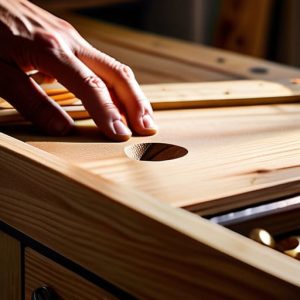
- 1. First thing you do is pull that drawer all the way out and set it on your workbench. Don't just leave it hanging there by the runners; you need to see the whole thing. Take a look at the bottom edges of the drawer sides and the runners inside the carcass. I've found that most of the time, it's not a structural failure, it's just a bit of buildup or a slight swell in the timber from the humidity.
- 2. Once you've got it out, run your finger—carefully now—along the contact points. You’re looking for high spots, old wax, or even just rough grain that’s caught on the frame. If you feel a bump, that’s your culprit. If it's just a bit of grime, a quick wipe with a dry cloth might do it, but usually, you're going to need to remove a tiny bit of material to get it sliding true again.
- 3. Now, don't go grabbing a random coarse sandpaper and hacking away at the wood. That’s how you end up with a drawer that's too loose and rattles like a tin can. Instead, grab a sharp block plane. If you've kept your iron honed properly, you can take a shaving so thin you can see through it. You want to take the high spot down with precision, not just sand it into dust.
- 4. If the sticking is caused by a swollen panel, you might need to be a bit more deliberate. Use your plane to shave the side of the drawer just a hair at a time. I always tell my students: measure twice, shave once. You can always take more off, but you can't put the wood back on once you've planed it away.
- 5. After you've levelled the runners, take a look at the wood's surface. If it feels thirsty or rough, it'll just catch again. Don't reach for a heavy electric sander; it'll just round over your crisp edges. Use a fine whetstone or a very high grit sandpaper by hand to smooth the contact areas. You want that surface to feel as slick as glass under your palm.
- 6. Once the wood is smooth, it's time for a bit of lubrication. Most people reach for some spray silicone, but that’s a bit of a lazy habit that attracts dust. I prefer a bit of plain beeswax or a dedicated furniture wax. Rub it into the runners and the drawer edges. It creates a protective barrier that helps the wood glide without the friction that causes sticking in the first place.
- 7. Finally, slide the drawer back in. Don't force it. If it goes in with a smooth, steady resistance, you've done the job right. If it hitches, stop immediately. Don't try to power through it with a drill or a hammer. Pull it out, find that one spot that's still catching, and go back to your plane. A bit of patience goes much further than brute force.
The Precision of a Wooden Drawer Friction Fix
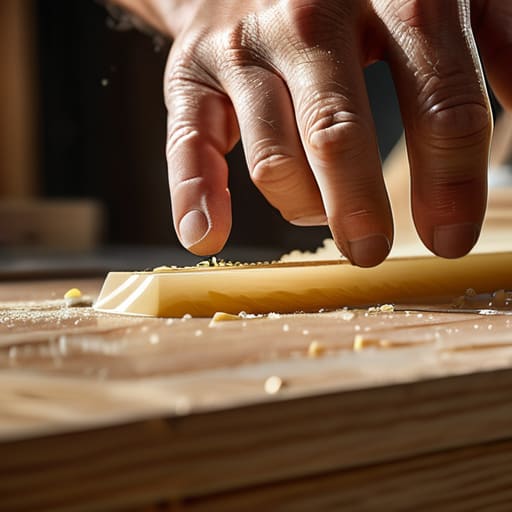
Now, once you’ve cleared the debris, you need to think about how that wood is actually moving. A lot of lads make the mistake of thinking they need to go out and buy some fancy spray or a plastic drawer hardware replacement just because things feel sluggish. That’s a waste of money. Most of the time, a simple wooden drawer friction fix comes down to how much you've respected the grain. If you’ve sanded the runners, make sure you haven't left the wood "thirsty." Raw, sanded timber is thirsty; it'll suck the moisture right out of the air and swell up again by morning, leaving you right back where you started.
Instead of reaching for a chemical lubricant, I always reach for a block of paraffin wax for drawers. It’s old-fashioned, sure, but it’s the only way to get that silky, consistent glide without attracting dust like a magnet. Rub the wax along the contact points—not too thick, just enough to coat the surface—and you'll find the drawer moves with a precision no machine can mimic. It’s about working with the material, not trying to force it into submission with heavy-handed solutions.
Why Paraffin Wax for Drawers Beats Chemical Sprays
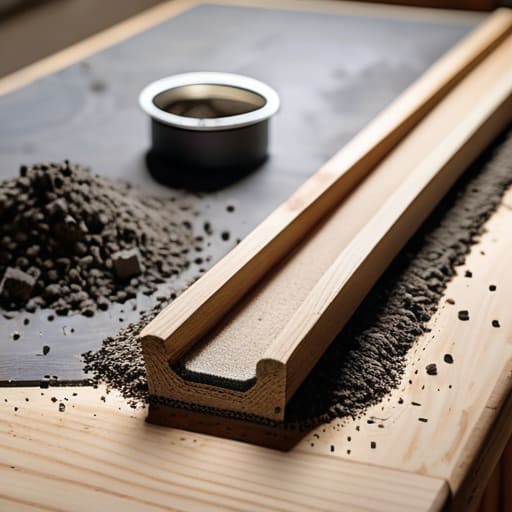
Now, once you’ve cleared the debris and ensured you aren't just fixing misaligned drawer tracks, you’ll be tempted to reach for one of those aerosol silicone sprays. Don't. I’ve seen enough shop floors to know that those chemical sprays are little more than a temporary mask. They tend to attract dust and grit like a magnet, which eventually turns your smooth runner into a grinding paste. It might feel slick for a week, but you’ll find yourself back at the bench sooner than you’d like.
If you want a proper wooden drawer friction fix that lasts, you need to stick to paraffin wax for drawers. It’s a clean, honest way to work. A simple block of wax applied directly to the contact points provides a dry, stable lubrication that won't go tacky or go off when the seasons change. It doesn't soak into the grain and swell the timber like some oils do, either. Just rub it in, wipe away the excess, and let the tool do the work. It's a simple habit, but it's the difference between a job that holds and one that fails.
Five Things to Remember Before You Start Scraping
- Check your alignment before you touch a plane; most of the time, a drawer sticks because a runner has slipped or a screw is sitting proud, not because the wood has grown.
- Keep your tools sharp throughout the job, because if you're using a dull chisel to clean out a runner, you'll just mash the wood fibers instead of slicing them.
- Avoid the temptation to sand the runners smooth; sanding creates dust that settles in the grain and actually makes the friction worse once you've finished.
- Listen to the wood as you work; if you hear a crunching sound rather than a clean slice, your tool is blunt or you're forcing the cut, and you'll end up ruining the joint.
- Don't go buying a tin of expensive silicone spray just because the shopkeeper tells you to; a bit of honest paraffin wax or even a plain old candle does a better job without the chemical mess.
A Bit of Common Sense
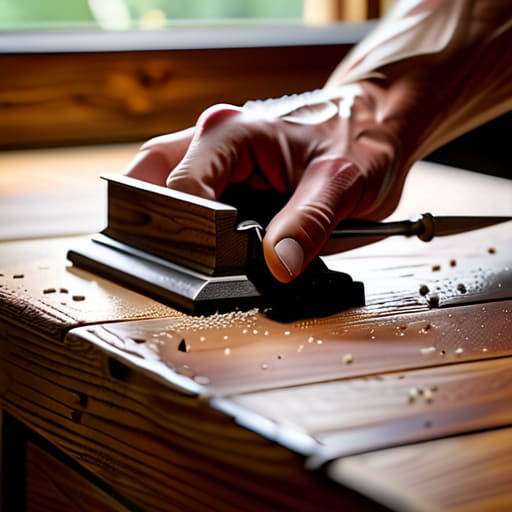
At the end of the day, fixing a sticking drawer isn't about buying a fancy new set of runners or some expensive silicone spray that'll just gum up the works in six months. It comes down to two simple things: removing the obstruction with a sharp chisel and treating the wood properly. If you've taken the time to shave down those high spots and applied a bit of paraffin wax, you've done more for that piece of furniture than any quick-fix chemical ever could. It’s about understanding the material you're working with and having the patience to do it right the first time.
I know the modern world wants everything to be instant, but there is a real satisfaction in fixing something with your own two hands and a bit of steady focus. When that drawer finally glides shut with nothing more than a soft, muffled click, you'll know it wasn't luck—it was skill. Don't let the temptation of a power tool or a "disposable" replacement win out. Stick to the basics, keep your edges keen, and remember that true craftsmanship is found in the details that most people are too rushed to notice.