Ten Minutes of Tidying Before You Stop
 Callum Reith-Sowande
I spent thirty years on site and another ten in a college workshop, and if there’s one thing I’ve learned, it’s that you don’t need a fancy, multi-thousand-pound modular storage system to find your tools. Most of those catalogues try to sell you on the idea that organization is about buying more plastic bins, but they’ve got it all wrong. Real organization isn't about spending money; it's about knowing how to keep a workshop tidy so you aren't hunting for a specific gouge while your glue is drying. If you're spending more time moving piles of scrap than you are actually making shavings, you aren't working—you're just tidying up your own mistakes.
I’m not here to give you a lecture on interior design or tell you to color-code your screws. I’m going to show you how to set up a space that actually works for a man with a chisel in his hand. I'll share the practical, no-nonsense methods I used to keep my benches clear and my tools ready for work, regardless of how much sawdust is flying. We’ll focus on systems that stay put and habits that actually stick, because a clear bench is the only way to ensure precision work happens every single time.
Mastering Workshop Organization Systems for Real Speed
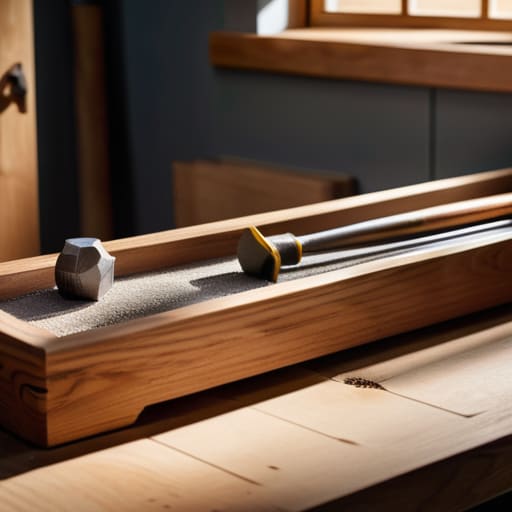
You don't need a fancy catalog of expensive cabinets to get this right. Real workshop organization systems aren't about looking pretty for a magazine; they are about muscle memory. When I was teaching the apprentices, I told them that if they had to stop and think about where a marking gauge was located, they’d already lost the rhythm of the cut. I prefer a setup where everything has a dedicated home, usually within an arm's reach of the bench. If you’re constantly hunting through drawers, you aren't working—you're just searching.
I’ve found that the best tool storage solutions are the ones that keep your most-used items visible and accessible. I keep my chisels on a rack right by my shoulder, not tucked away in a dark box. This kind of benchtop management ensures that when you reach for a tool, your hand knows exactly where it’s going. It keeps the flow steady. A cluttered bench is a slow bench, and if you can't see the wood through the scrap, you're bound to make a mistake. Keep it simple, keep it visible, and get back to the work.
Benchtop Management Reclaiming Your Primary Surface
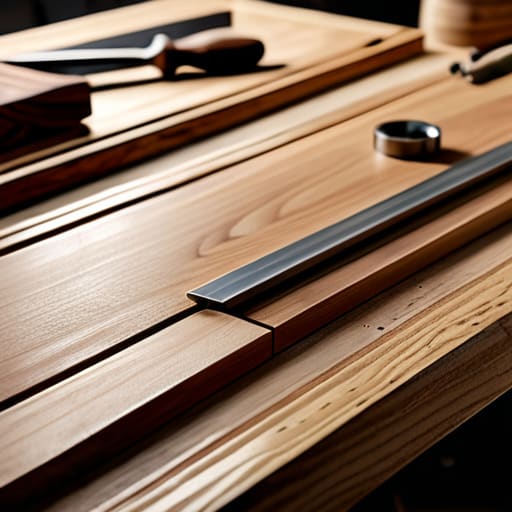
Your workbench isn't a storage unit; it’s a workspace. I’ve seen too many young lads treat their bench like a junk drawer, piling up offcuts, half-finished joints, and every stray screw they’ve found on the floor. If you’re constantly moving piles of debris just to find a marking gauge, you aren't working—you’re just tidying up mid-job. Effective benchtop management means the only things touching that timber should be the piece you’re working on and the tools required to shape it.
I always tell my students that a cluttered surface is a dangerous one. When you're working with a razor-sharp chisel, you don't want to be hunting for a mallet through a sea of sawdust and scrap. Clear the deck before you start. Keep your most-used chisels and planes in a dedicated tray or a small rack nearby, rather than letting them roll around the edge. By focusing on maintaining a clean workspace right at the point of contact, you ensure that when you reach for a tool, it’s exactly where you left it.
Stop Searching and Start Cutting: Five Rules for a Productive Bench
- If you use a tool, put it back where it belongs immediately. I don't care if you're mid-project; a hammer left on a pile of offcuts is just a tripping hazard waiting to happen, and a misplaced chisel is a way to lose twenty minutes of work just looking for it.
- Sweep as you go, not just when the job is done. A mountain of sawdust on the floor isn't just messy—it's a slip risk, and it gets into your glue joints and your machinery, making everything a headache later on.
- Keep your scrap wood in a bin, not on the bench. I see too many young lads keeping every little bit of pine on their work surface thinking they'll use it, but all they're doing is shrinking their usable workspace.
- Control your fasteners. A jar of mixed screws and nails is a nightmare; get yourself some proper small parts organisers so you aren't digging through a heap of metal every time you need a single 30mm wood screw.
- Clean your tools before they go back in the rack. There is no point in having a tidy shop if your planes are sitting in a layer of grit and your chisels are covered in resin; a clean tool stays sharp longer, and a clean shop starts with clean tools.
Making It Stick
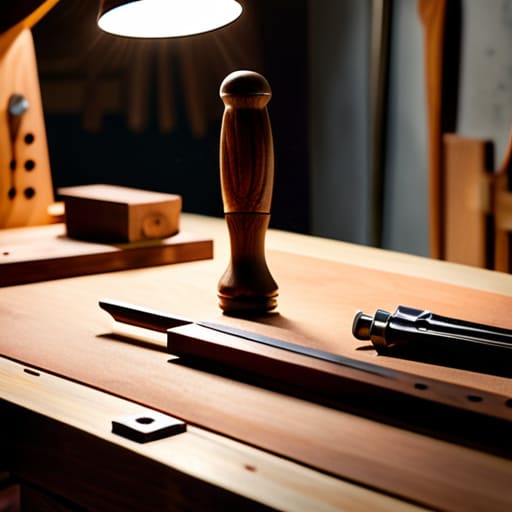
At the end of the day, a tidy workshop isn't about having a showroom that looks pretty for the neighbors; it’s about respecting the work. If you’ve done what we discussed—clearing the bench, setting up your tool stations, and actually putting things back where they belong—you’ve already won half the battle. You won't spend twenty minutes hunting for a marking gauge when you should be making a precise cut, and you won't be fighting against a layer of grit every time you try to plane a board. Keeping things organized is simply the foundation of good joinery. It’s the difference between a productive afternoon and a frustrating slog through a mess of your own making.
I know it feels like a chore when you’re tired and just want to pack up, but don't skip the cleanup. Take five minutes to sweep the floor and wipe down your planes. When you walk back into a clean shop tomorrow morning, you’ll feel the difference in your hands and your head. A clear space allows for a clear mind, and a clear mind is what lets you focus on the grain, the angle, and the cut. Stop treating your workshop like a dumping ground and start treating it like a professional station. Once you realize that order equals speed, you'll never go back to working in chaos.