Oily Rags Can Start a Fire
 Callum Reith-Sowande
I remember the smell most of all—not the sweet scent of fresh pine or the sharp tang of cedar, but that acrid, choking stench of burning sawdust and melting plastic. It was a Tuesday afternoon in the college workshop, and a pile of shavings left too close to a faulty heater had turned a quiet lesson into a frantic scramble for the extinguishers. Most people think they know how to deal with a workshop fire risk because they bought a shiny red canister from a hardware store, but a canister won't save you if you've let your workspace turn into a tinderbox.
I'm not here to sell you on expensive, high-tech sensor systems or complicated safety manuals that just gather dust on a shelf. I’ve spent forty years on site and ten in the classroom, and I know that real safety comes down to discipline and habit. In this post, I’m going to give you the plain, unvarnished truth about keeping your shop standing. We’ll talk about the practical, common-sense steps you can take right now to ensure your tools and your livelihood don't go up in smoke.
Precision Flammable Liquid Management Over Messy Storage
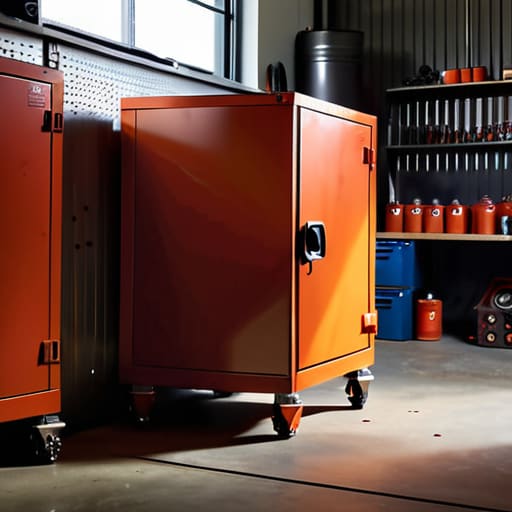
I’ve seen too many lads treat their solvents and finishes like they’re just more scrap to be tossed in a corner. You can’t have half-empty tins of methylated spirits or thinners sitting out on the bench where a stray spark from a grinder can find them. Proper flammable liquid management isn't about following a handbook for the sake of it; it’s about knowing that a single spilled container can turn your livelihood into a bonfire in seconds. I keep my liquids in a dedicated metal cabinet, tucked away from the main work area, and I make sure every lid is tightened properly before I even think about walking away.
It’s the same story with your cleaning cloths. I’ve seen rags soaked in linseed oil sit in a heap on a workbench, only to spontaneously combust by lunchtime. You need to be disciplined about the safe storage of oily rags; use a metal bin with a self-closing lid and empty it daily. If you treat your workshop like a dumping ground for chemicals, you aren't a craftsman, you're a liability. Keep your liquids contained and your rags under lock and key.
Combustible Dust Control Clearing the Grit From Your Gears

You might think a fine layer of sawdust is just part of the job, but if you let it build up, you’re basically laying out a fuse for your entire shop. I’ve seen it happen—a bit of friction from a machine or a stray spark, and suddenly that dust cloud turns into a flash fire. Proper combustible dust control isn't about being tidy for the sake of it; it’s about making sure your workspace doesn't become an explosion hazard. Don't let it settle in the cracks of your workbenches or hide behind your heavy machinery where you can't reach it.
The real danger is when that dust gets sucked into the motors of your power tools. If the ventilation is clogged, the heat builds up, and that’s when things go wrong. I always tell my former students that a clean bench is a safe bench. You need to get into the habit of clearing the grit from your gears and off your surfaces every single evening. It’s a bit of extra work at the end of the day, but it’s a lot less work than rebuilding a workshop from the ashes.
Five ways to keep the sparks from catching
- Treat your oily rags like they're live wires; don't just toss them in a heap in the corner, because a pile of linseed-soaked cloth will start a fire all on its own without any help from you.
- Keep your fire extinguishers in sight, not tucked away behind a stack of seasoned oak, so you aren't playing hide-and-seek when the smoke starts rising.
- Check your electrical leads for nicks and fraying every time you clear the bench; a bit of copper showing is just an invitation for a spark to find some sawdust.
- Don't let your heating source sit too close to the workbench, as a stray bit of shaving can catch a draft and turn a small flame into a real problem before you've even noticed.
- Learn where your exits are and keep them clear of scrap; there's no sense in having a clear path out if you've blocked it with a pile of offcuts you were meaning to use later.
Don't leave your safety to chance
At the end of the day, managing a workshop fire risk isn't about following some thick manual handed to you by a bureaucrat; it’s about the small, daily habits you build. Whether it’s making sure your oily rags are tucked away in a proper metal bin or ensuring that fine sawdust isn't settling into every corner like a layer of tinder, it all comes down to discipline. You wouldn't dream of working with a cracked chisel or a loose handle, so don't treat your workshop's safety with any less respect. If you keep your liquids contained and your surfaces clear, you’ve already won half the battle against a potential blaze.
I’ve spent forty years in shops, and I’ve seen how quickly a lifetime of work can vanish in a single afternoon if you get complacent. A workshop is a place of creation, not destruction, but that line is thinner than a shaving from a well-tuned plane. Treat your workspace with the same care you give your finest tools, and you’ll find that true craftsmanship extends far beyond the timber you're cutting. Keep it clean, keep it organized, and most importantly, keep it safe so you can get back to the work that actually matters.