Leaving a Workshop for Six Weeks
 Callum Reith-Sowande
I remember a lad I taught back at the college who thought he could just flick the switches off and head straight for the pub. He left a half-finished dovetail on the bench and a pile of sawdust sitting in the tracks of his table saw. When he came back four weeks later, the moisture had swollen the timber, the dust had turned to a thick, grey sludge in the machinery, and he spent three days just cleaning up the mess before he could even pick up a chisel. Most people treat a hiatus like a holiday, but if you don't know how to shut a workshop down for a month properly, you aren't taking a break—you're just scheduling a headache for your future self.
I’m not here to give you some fancy, high-tech checklist involving smart plugs or expensive covers. I’m going to tell you how to do it the way we did it on the job site: with a bit of common sense and a focus on protecting your steel. I’ll show you how to secure your tools and prep your space so that when you walk back through those doors, you can get straight to the work instead of fighting your gear.
Workshop Electrical Safety Shutdown Cutting the Power Before It Cuts You

Now, I’m not talking about just flicking the light switch on your way out the door. If you leave your machines live, you’re asking for trouble—either from a surge when the power kicks back up or a stray bit of moisture causing a short. A proper workshop electrical safety shutdown means going to the mains. I always make it a habit to physically unplug the heavy hitters—the table saw, the planer, the drill press. It’s a bit of extra walking, but it’s the only way to be certain.
While you're at the breaker, take a look at your metalwork. Leaving power running to any climate control or ventilation systems is a waste, but leaving the air stagnant is worse. If you don't manage the air, you'll find yourself fighting rust on every single blade and plane iron when you return. Part of protecting metal surfaces from oxidation is ensuring that no electrical component is left humming or heating up unnecessarily, which can subtly shift the humidity in a small space. If it’s not plugged in, it’s not a fire risk. Simple as that.
Securing Workshop Tools and Equipment Lock It Down Like a Master
Once you’ve cut the mains, it’s time to look at the actual iron. I’ve seen too many lads come back after a break to find their prized chisels and plane irons looking like they’ve been pulled from a shipwreck. If you leave your steel exposed, you aren't just leaving tools; you're leaving an invitation for rust. Protecting metal surfaces from oxidation is the most important part of the job. I make it a rule to wipe every single blade down with a thin layer of Camellia oil or even just a bit of boiled linseed oil before I walk out that door. It takes an extra twenty minutes, but it beats spending a week grinding away pits in your tool steel when you get back.
Beyond the blades, you need to think about the environment itself. If your workshop isn't climate-controlled, you should look into simple workshop moisture control methods, like tossing a few heavy-duty desiccant bags into your tool chests. Don't just toss everything into a pile on the bench. If it’s a tool I value, it goes back in its box or under a heavy canvas shroud. A bit of preparation now means you're actually working when you return, rather than just fighting a losing battle against damp and decay.
Five Things to Do Before You Turn the Key
- Empty your dust extraction and vacuum bags. If you leave a month's worth of fine sawdust sitting in a bag, it'll settle, compact, and turn into a solid brick that'll clog your hoses the moment you try to start up again.
- Wipe down every single metal surface with a bit of light oil. I don't care if it's a table saw top or a set of chisels; if you leave bare steel sitting in a damp workshop for four weeks, you'll spend your first three days back just fighting rust.
- Clear the floor of any offcuts or scrap. A cluttered floor is a trip hazard, sure, but it's also a breeding ground for vermin. If you leave a pile of timber scraps in the corner, don't be surprised if you find something living in them when you return.
- Check your chemical storage. Make sure every lid on your oils, finishes, and glues is tight. There's nothing worse than coming back to a workshop that smells like a chemical spill because a container dried out or leaked while you were away.
- Drain your air compressor. If you leave moisture sitting in the tank for a month, you're just inviting corrosion from the inside out. Bleed it dry so you aren't starting your return with a tank full of sludge and water.
Getting Ready to Step Away
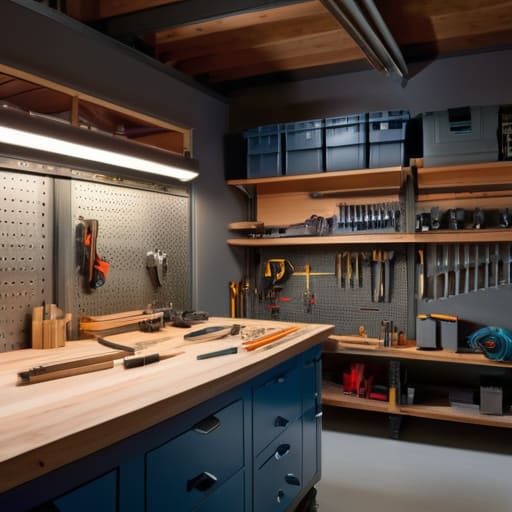
At the end of the day, shutting down isn't about being lazy; it’s about respect for the space. You’ve cut the mains to stop a fire, you’ve locked your expensive kit away from prying eyes, and you’ve cleared the benches so nothing is left to rot or rust in the damp. If you take the time to do this properly—securing your power, your tools, and your materials—you aren't just "closing up." You are ensuring that when you walk back through those doors in four weeks, you can actually get to work instead of spending three days fighting a mess you created. A tidy shutdown is the only way to guarantee a clean restart.
I’ve spent forty years learning that the way you treat your tools and your workspace dictates the quality of the work you produce. That applies to the downtime just as much as the uptime. Don't rush out the door with the lights on and the saws sitting out; that's how mistakes happen, and mistakes are expensive. Take the extra ten minutes to settle the shop. When you treat your workshop with a bit of discipline, it rewards you with reliability. Go on then, lock up, and enjoy your break. You’ve earned the rest, provided you’ve left the shop in a state that's ready to perform the moment you return.