The Tool You Do Not Need
 Callum Reith-Sowande
I was sitting at my workbench last Tuesday, staring at a brand-new, cordless router that some lad from the college had brought in. He was convinced it would change his life, but all I saw was another piece of plastic destined for a landfill once the battery dies. We live in a world that tries to convince you that every problem can be solved by adding more clutter to your shed, but I've spent forty years learning how to decide not to buy anything instead. Most people think "saving money" means finding a bargain, but they've got it backwards; the real mastery lies in recognizing when a tool is already in your hand.
I’m not here to give you some complicated financial spreadsheet or a lecture on minimalism. I’m going to share the practical, blunt logic I used on-site and in the classroom to separate genuine necessity from mere impulse. I'll show you how to look at a piece of kit and see its true value—or its lack thereof—before you ever open your wallet. My aim is to help you build a workshop, and a life, based on quality and repairability rather than the constant, exhausting cycle of buying and discarding.
Distinguishing Wants vs Needs With a Precision Edge
When I was teaching apprentices, I’d see them eyeing the latest cordless kit every time they stepped into the shop. They thought a new tool would make them better, but they were just chasing a feeling. You have to learn the difference between a tool that solves a problem and a tool that just looks good on a workbench. Distinguishing wants vs needs isn't about being stingy; it’s about knowing if that new piece of steel is actually going to earn its keep or if it’s just going to collect sawdust.
I use a simple rule of thumb: if I can’t name the specific job it’s going to do—and if my current kit can’t do it with a bit of honest sharpening—then I don't need it. Developing these kinds of mindful consumption habits takes time, much like honing a bevel. You can't rush it. If you feel that itch to spend, walk away from the shop floor. Give it a week. If the "need" is still there once the excitement has cooled, then you can talk to me. Until then, stay steady.
Mastering Impulse Buying Prevention Techniques
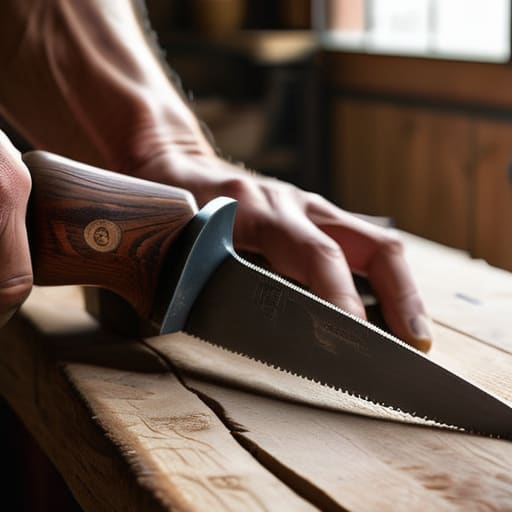
The best way to stop a bad purchase is to treat it like a piece of timber with a hidden knot. You don't just drive a screw into it and hope for the best; you pause, look it over, and assess the grain. I’ve found that the most effective impulse buying prevention techniques involve a simple rule of thumb: the forty-eight-hour wait. If I see a fancy new Japanese pull saw online, I don't click 'buy' immediately. I put it out of my mind for two days. Usually, by the time the forty-eight hours are up, the itch has passed and I realise my old bevel edge chisel is more than capable of doing the job.
This is where you build real delayed gratification strategies into your workshop routine. Instead of rushing to the shop when a tool feels "off," spend that time cleaning what you already own. Most of the time, you don't need a new tool; you just need to re-hone the one in your hand. Developing these mindful consumption habits keeps your workbench from becoming a graveyard of half-used gadgets that were never worth the coin in the first place.
The Five-Step Check Before You Open Your Wallet
- The Seven-Day Soak. When you see a tool that looks like it’ll change your life, walk away. Leave it in the shop or on the website for a full week. If you’re still thinking about how it’ll solve your problems after seven days, maybe it’s a need. Most of the time, that "must-have" feeling wears off like sawdust in a breeze.
- Inventory Your Bench. Before you buy a new chisel or a fancy plane, go to your workbench and actually use what you already own. I’ve spent many an afternoon realizing that the tool I thought I lacked was sitting right there, just needing a bit of honing and some oil. You don't need more; you need to know what you've got.
- The Repairability Test. I have a rule: if I can't fix it when it breaks, I don't own it. Before you tap your card, ask yourself if that tool is built to be maintained or if it’s just a plastic shell full of glued-in parts. If it’s designed to be thrown away the moment a gear slips, it isn't a tool—it's a consumable.
- Calculate the True Cost in Labor. Don't look at the price tag in pounds; look at it in hours. If that new kit costs fifty quid, and you earn twenty an hour, ask yourself if that gadget is worth two and a half hours of your life. Usually, the answer is a hard no.
- Check the "Job vs. Gadget" Ratio. Ask yourself if you are buying a tool to do a specific job, or if you are buying the idea of being a person who does that job. There is a massive difference between needing a mortise chisel for a specific joint and buying a whole set because you like the look of them on the rack.
The Final Measurement
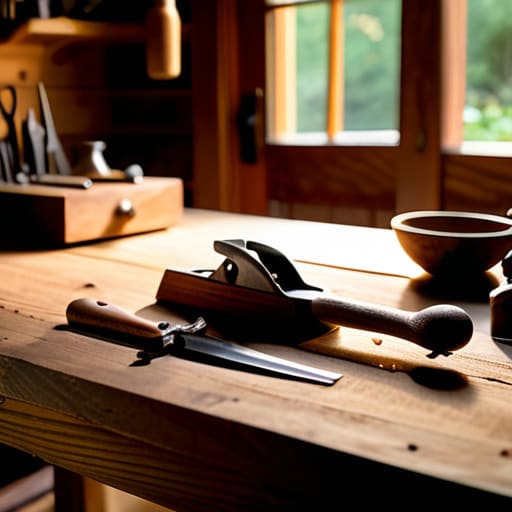
At the end of the day, deciding not to buy isn't about being stingy; it’s about having the discipline to look at your workshop—and your life—with a clear eye. We’ve talked about separating a genuine necessity from a passing whim and how to build a bit of a buffer between the urge to spend and the actual transaction. If you can master the art of the pause, you’ll find that most of those "must-have" gadgets are nothing more than clutter waiting to happen. Remember, a tool you don't need is just another thing that's going to take up space and eventually end up in a landfill. True mastery starts with knowing exactly what you already possess.
I’ve spent forty years watching men rush out to buy the latest cordless kit when all they really needed was a bit of patience and a better edge on the chisel they already owned. There is a quiet, steady satisfaction in working with what you have, tending to it, and making it perform better than the day it left the factory. Don't let the marketing fool you into thinking your skill is tied to your bank balance. Build your character like you build a joint—with precision, intention, and no wasted movement. Stop looking for the next thing to buy, and start looking at the incredible work you can do with what’s already in your hands.