Workshop Jobs for October
 Callum Reith-Sowande
I remember a particularly bitter January back in my teaching days when I walked into the college workshop and felt the dampness settle right into my bones. My fingers were so stiff I could barely hold a marking gauge, let alone a chisel, and the condensation on the metal surfaces was thick enough to ruin a perfectly good piece of oak. Most people think that learning how to prepare a workshop for winter means buying a fancy, expensive electric heater and calling it a day, but that's a waste of good money. If you don't address the moisture and the biting draft, you're just heating the air while your tools rust and your joints ache.
I’m not here to sell you on any high-tech gadgets or complicated heating systems that'll break the moment the frost bites. Instead, I’m going to give you the straight truth on what actually matters: managing the damp, protecting your steel, and making sure your space is actually usable when the temperature drops. I've spent forty years working with my hands, and I know that a well-prepared shop is the difference between a productive afternoon and a wasted day.
Managing Workshop Humidity Levels Before the Frost Bites
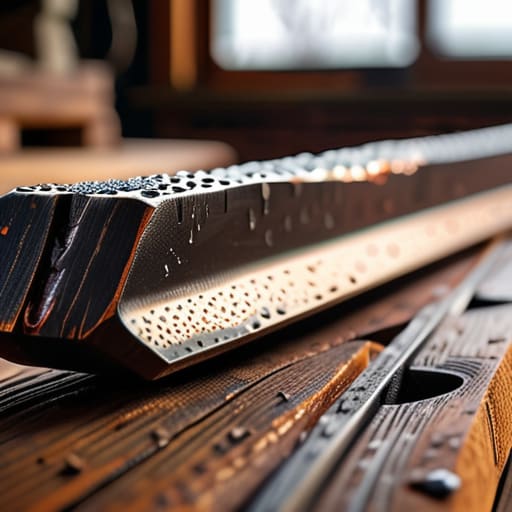
It isn’t just the cold that gets you; it’s the damp. When the temperature drops, the air holds less moisture, but that moisture has to go somewhere—usually onto the surface of your finest steel. I’ve spent many a morning finding a fine film of orange rust on a chisel I’d painstakingly honed the week before. Managing workshop humidity levels isn't about fancy gadgets; it’s about making sure your tools aren't sitting in a cloud of condensation. If you’ve got a damp floor or a leaky window, you’re essentially inviting rust to dinner.
I’m a big believer in the old ways, but a small, well-placed dehumidifier can be a godsend for preventing tool corrosion in winter. If you can’t control the air, at least control the environment where the steel lives. I keep my most prized cutting edges in a wooden tool chest with a few silica packets, but for the heavy machinery, you need to be more proactive. Don't just leave your planes and chisels out on the bench overnight; if the air is heavy, your steel will pay the price.
Protecting Power Tools From Moisture and Dampness

Now, I know I’m a man who lives by the edge of a chisel, but I’m not blind to the utility of a decent power tool when the job calls for it. The trouble is, those electric machines have a nasty habit of sulking when the damp sets in. If you leave your circular saw or drill sitting on a metal bench in a cold, unheated shed, you’re essentially inviting rust to move in. Protecting power tools from moisture isn't just about wiping them down; it’s about making sure the condensation doesn't settle deep inside the motor housings or on the delicate internal components.
I’ve seen too many lads buy a top-tier brand only to have the metal parts pitted and ruined by February. To stop this, I always keep a thin layer of machine oil or a dedicated corrosion inhibitor on any exposed metal surfaces before I pack them away. If you’re winterizing garage storage, don’t just toss everything into a corner. Keep your power tools in their original cases or, better yet, in airtight plastic bins. It’s a bit more fuss, but it beats the alternative of finding your expensive gear covered in orange flakes come springtime.
Five ways to keep your shop from becoming a damp, freezing mess
- Check your lighting before the days get short. There’s nothing more frustrating than trying to do fine joinery or see a hairline crack in a blade when you're working in a dim, grey twilight. If you're relying on a single old bulb, swap it out for something decent now; you can't work well if you can't see what you're doing.
- Get your heating sorted early. I've spent too many years shivering over a workbench, and it does more than just make you miserable—it makes your hands clumsy. A steady, manageable temperature is the only way to keep your focus on the wood rather than your numb fingers.
- Stop the drafts at the source. A workshop isn't a living room, but a constant wind whistling through a door gap or a poorly sealed window will suck the heat right out of the air and mess with your wood's stability. Find the leaks and plug them before you bother turning a heater on.
- Organize your sharpening station. When the temperature drops, you'll find yourself spending more time at the bench and less time moving around. Make sure your stones, honing oils, and strops are easy to reach and kept in a dry spot, so you aren't hunting through cold drawers just to get an edge back on a chisel.
- Plan your heavy work for the daylight. I've learned the hard way that trying to force a complex task in the freezing dark is a recipe for mistakes. If you've got a big job, get it scheduled for those few hours of decent light, or accept that you'll be working slower than usual.
Getting your shop ready for the long haul
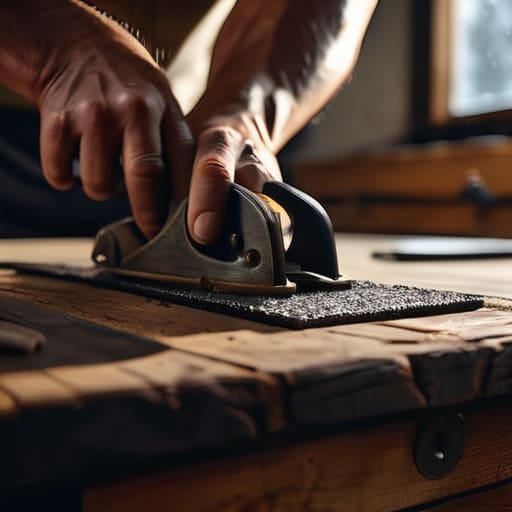
At the end of the day, prepping your workshop isn't about checking off a list of chores; it’s about respect for the craft and the equipment you rely on. You’ve looked at managing the damp, keeping the humidity from swelling your timber, and making sure your power tools aren't sitting in a layer of condensation waiting to rust. If you take the time to secure your environment and protect your metalwork now, you won't spend your precious winter daylight fighting against your own gear. It’s much easier to spend twenty minutes oiling a plane than it is to spend three hours trying to grind out a pit of rust caused by a neglected workspace.
When the frost finally settles on the windows and the wind starts whistling through the eaves, I want you to be able to walk into your shop and feel a sense of calm, not a sense of dread. There is a particular kind of satisfaction in working by hand while the world outside is frozen solid. When your tools are cared for and your bench is dry, you can focus on the work itself—the grain, the cut, and the joinery. Don't let the season dictate your pace; instead, use this time to slow down, sharpen your edges, and prove that a well-prepared man is never truly at the mercy of the weather.