Finishing the Thing in the Corner
 Callum Reith-Sowande
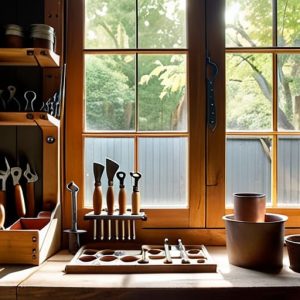
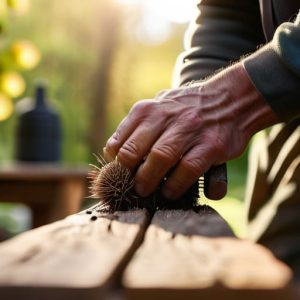
I can still see that half-finished walnut sideboard sitting in the corner of my shed, gathering dust and mocking me. It’s been there for three years, a silent reminder of that mid-afternoon slump when the novelty wore off and the hard work began. Most of the "productivity experts" online will tell you to go find your "why" or set up a fancy digital planner, but that’s just nonsense. You don't need a motivational speech; you need to understand how to finish a project you have lost interest in without feeling like you're pulling teeth.
I'm not going to give you any of that high-flown, motivational rubbish. Instead, I’m going to give you the same plain-speaking advice I used to give my apprentices when they wanted to quit halfway through a joinery task. We’ll talk about breaking the work down into small, manageable shavings and why momentum is more important than inspiration. I’ll show you how to get back to the bench, pick up your tools, and push through the friction until the job is done properly.
Breaking Down Overwhelming Tasks Into Precise Cuts
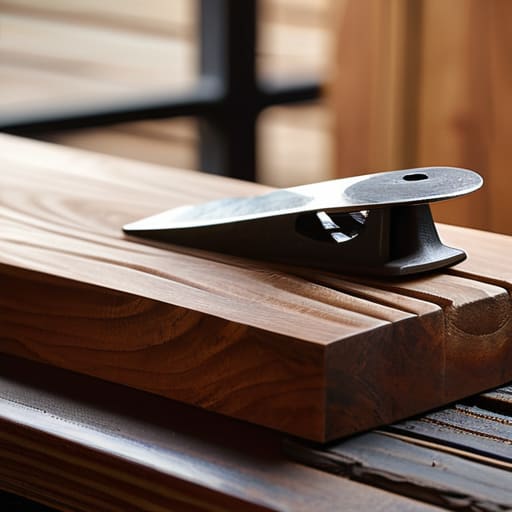
When a job looks too big, it’s usually because you’re looking at the whole piece of timber instead of the first shaving. I’ve seen many a lad stand staring at a half-finished sideboard, paralyzed because the finish looks a week away. That’s where you lose the thread. You have to stop looking at the mountain and start looking at the grain. I find that breaking down overwhelming tasks into something small—like just cleaning the bench or sharpening one single plane iron—is the only way to get the blood moving again.
You can’t tackle a massive backlog all at once; you’ll just end up hacking at it with a blunt saw. Instead, treat your project like a series of precise cuts. Don't think about the final varnish; just think about the next ten minutes of sanding. This is the real psychology of task completion. If you can commit to one small, clean movement, you stop the mental spinning. Once that first small bit is done, the tool is in your hand, the edge is keen, and you’ve already done the hardest part: starting the work.
Rekindling Passion for Long Term Goals Without the Friction
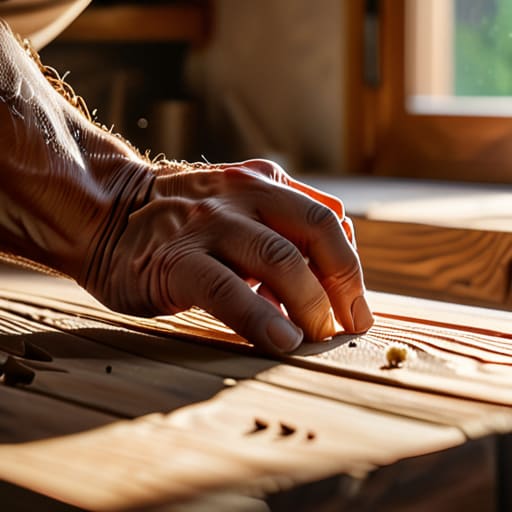
When you've been staring at the same half-finished sideboard for three months, the problem usually isn't the wood; it's the mental friction. You start looking at the pile of shavings and seeing only the work left to do, rather than the piece taking shape. I’ve found that rekindling passion for long-term goals isn't about waiting for a sudden burst of excitement. It’s about remembering why you picked up the chisel in the first place. If you lost interest because the project grew into a monster, you might be dealing with managing project scope creep. You started with a simple stool and somehow ended up trying to build a throne. Pull it back. Strip the project down to its core purpose, just like you’d strip a piece of timber to find the straight grain.
Once you've narrowed the focus, you have to treat your momentum like a fine edge. You don't let a blade get dull, so don't let your interest go blunt. If the big picture feels too heavy, stop looking at the finished piece and start looking at the next single joint. Maintaining momentum in unfinished projects comes down to these small, tactile victories. When you get that first clean, crisp shaving to curl off the plane, that's the spark you need to keep going.
Five Ways to Get Back on the Bench
- Clean your workspace first. You can’t find the rhythm if you’re working through a pile of shavings and old sawdust. Clear the bench, wipe down the planes, and make room to move. A tidy bench is a clear head.
- Sharpen something. If the spark has gone, pick up a chisel that’s gone dull and spend twenty minutes at the stones. There’s something about the steady work of honing an edge that settles the nerves and gets your hands back into the craft.
- Set a timer for fifteen minutes. Don't tell yourself you're going to finish the whole cabinet today. Just tell yourself you'll work for fifteen minutes, and if it still feels like a chore, you can walk away. Usually, once the tool is in your hand, the resistance disappears.
- Stop looking at the finished piece and look at the grain. We lose interest when we focus on the grand result that feels miles away. Forget the finished table; just focus on the single joint you're cutting right now. One cut at a time.
- Fix a tool instead of a project. If you’re truly stuck, spend the afternoon repairing an old mallet or adjusting a wedge. It keeps you in the workshop without the pressure of "producing," and often, that's exactly what you need to find your way back to the actual work.
The Final Cut
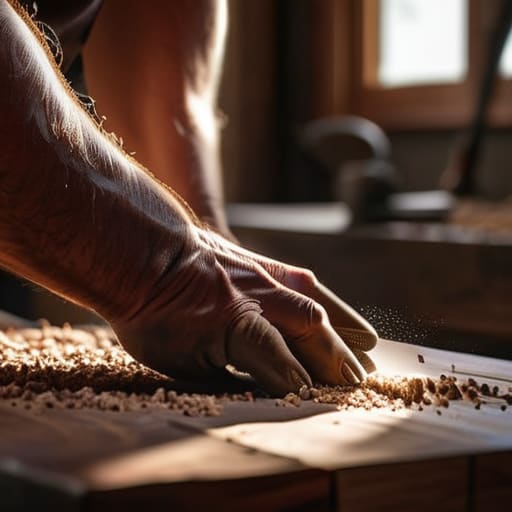
At the end of the day, finishing a project you’ve lost heart for isn't about some grand burst of sudden inspiration. It’s about the small, disciplined movements. We’ve talked about breaking those massive, intimidating tasks down into manageable, precise cuts and finding ways to work through the mental friction that builds up when a job sits idle for too long. You don't need to feel "passionate" every single second you're at the bench; you just need to maintain your edge. Whether you are tackling a complex joint or just cleaning up a workspace, the goal is to keep the momentum moving forward, one steady shaving at a time, until the work is done.
I’ve spent forty years seeing men walk away from good timber simply because they lost their rhythm halfway through. Don't let your half-finished work become just another pile of scrap in the corner of the shop. A project left incomplete is a tool left unsharpened—it serves no purpose and only takes up space. Pick up your chisel, find your focus, and finish the job. There is a specific kind of quiet satisfaction that comes from running your hand over a completed piece of joinery, knowing you didn't quit when the novelty wore off. That is where the real craft begins.