Five Free Improvements to a Workshop
 Callum Reith-Sowande
I spent forty years on site and another ten in a college workshop, and if there is one thing that gets my goat, it is the modern obsession with "upgrading." I see lads walking into the trade shops every week, eyes glazed over, looking for the latest cordless kit or some fancy-pants vacuum system they think will suddenly make them masters of the craft. They think a better workflow comes from a bigger bank balance, but they couldn't be more wrong. If you want to learn how to improve a workshop without spending a single penny, you need to stop looking at the catalogues and start looking at the tools you already own.
I’m not here to sell you on some magic gadget or a subscription service. I’m going to tell you how to actually get more work done by applying a bit of discipline and a lot of maintenance. We’ll talk about clearing the clutter, organizing your bench so you aren't hunting for a marking gauge every five minutes, and most importantly, getting your edges back to a razor finish. My promise is simple: I'll show you how to make your current setup work harder for you through nothing more than a bit of elbow grease and some common sense.
Decluttering Tool Storage to Find Your Edge
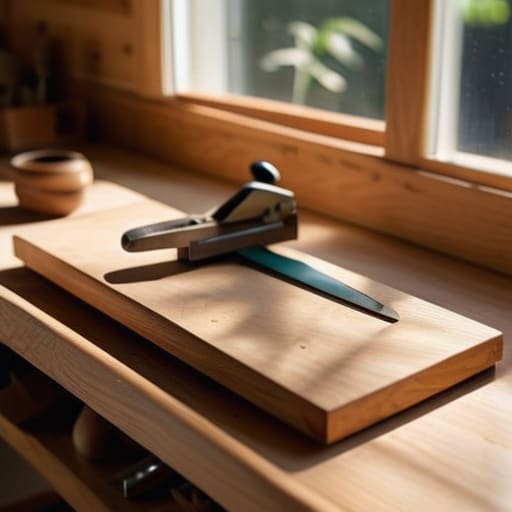
You don't need a custom-built cabinet system or some expensive modular rack to get your head straight. Most of the time, a messy bench is just a symptom of a cluttered mind. I spent years teaching apprentices that if you spend ten minutes looking for a specific marking gauge, you’ve already lost the rhythm of the job. Decluttering tool storage isn't about making things look pretty for a magazine; it’s about clearing the visual noise so you can actually see the wood in front of you. If you haven't used a tool in three years, it’s just taking up space that your hands need to move freely.
Start by stripping your workbench back to nothing. Lay everything out and be honest with yourself: if it’s broken beyond repair or serves no purpose, it goes. I’ve always found that workshop workflow optimization comes from having exactly what you need within an arm's reach, and nothing more. Don't fall for those flashy workshop organization hacks you see online that require buying more plastic bins. Just group your tools by how you use them—chisels with chisels, planes with planes—and keep the paths clear.
Maximizing Workspace Efficiency Through Better Discipline
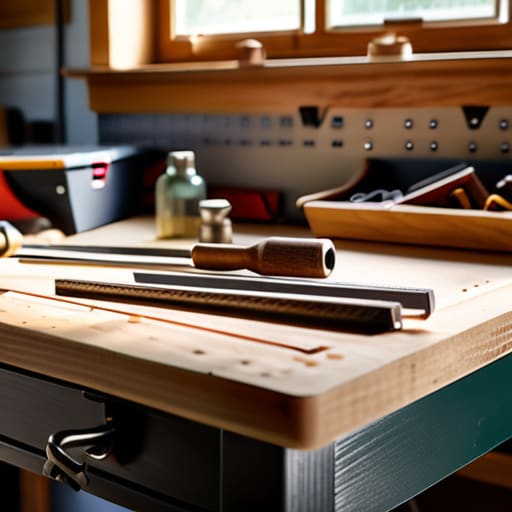
Efficiency isn't about how much space you have; it’s about how much you waste. I spent years watching apprentices trip over scrap timber or spend twenty minutes hunting for a marking gauge that should have been right under their nose. Most people think they need a bigger shop, but what they actually need is workshop workflow optimization. If you have to move three things just to get to the one tool you need, your system is broken. It’s not about fancy drawer organizers; it’s about making sure your most-used tools are within an arm’s reach of where the work actually happens.
Discipline means having the sense to put a tool back the moment you're done with it. I don't care if it's just a pencil or a mallet—if it stays on the bench, it’s a distraction. You’ll find that improving shop safety habits starts with a clear surface. A cluttered bench leads to rushed decisions, and rushed decisions lead to slipped chisels and wasted timber. Stop looking for magic workshop organization hacks and start practicing the habit of returning everything to its rightful place. It’s free, and it works.
Five Ways to Get More Out of What You Already Own
- Stop treating your chisels like disposable bits of steel; spend an afternoon with a few whetstones and a bit of patience to bring the life back into your old bevels.
- Clean the grime and sawdust out from under your workbench and out of your tool drawers, because you can't work properly if you're constantly fighting your own mess.
- Take a proper look at your lighting; move a lamp or clear a window so you aren't squinting at your joinery, as eye strain is just as much a hindrance as a dull blade.
- Reorganize your most-used tools so they are within an arm's reach of your bench, saving you the constant, mindless walking back and forth to a distant cupboard.
- Fix the things that are broken instead of looking for a replacement, whether it's a loose handle on a mallet or a wobbly vise, because a tool you trust is worth more than a new one you don't.
The Real Work Starts Now
At the end of the day, improving your shop isn't about the next catalog order or a shiny new piece of kit that promises to do the work for you. It’s about the basics we’ve talked about: clearing the clutter so you can actually see your bench, and bringing some discipline to how you handle your space. If you can find your tools without a scavenger hunt and keep your workspace clear enough to actually move, you’ve already done more for your craft than most. You don't need a bigger budget; you just need to respect the space you already have.
I spent forty years on sites and another ten in a classroom, and if there is one thing I know for certain, it’s that a man is only as good as his preparation. A cluttered bench leads to a cluttered mind, and a cluttered mind leads to mistakes you can't undo. Stop looking for shortcuts in a shop supply newsletter and start looking at the tools you already own. Take a moment, pick up a chisel, and get it sharp. Once you realize that mastery comes from maintenance, not acquisition, you'll find that your workshop is already exactly what it needs to be.