Taking Off Six Millimetres by Hand
 Callum Reith-Sowande
I remember watching a young lad in my college workshop, sweating through his shirt while wrestling with a heavy-duty orbital sander, trying to flatten a stubborn slab of oak. He was making a hell of a lot of noise and a mountain of fine, useless dust, but the surface was still wandering all over the place. I walked over, took the sander from him, and handed him my old Stanley scrub plane. I told him, "If you want to actually control the wood instead of just fighting it, you need to learn how to use a scrub plane properly." There’s a specific rhythm to it—a way of letting the tool bite deep and take off those thick, unruly curls that no sandpaper could ever touch in a lifetime.
In this guide, I’m not going to give you any of that polished, textbook nonsense you find in the glossy magazines. I’m going to show you the real, gritty way to set your blade, how to find your stride, and how to feel the grain as you work. We’ll cover the setup, the stroke, and the exact moment you should put the scrub away and pick up your smoothing plane.
Guide Overview
Tools & Supplies
- Scrub plane (a small plane with a short blade for rapid stock removal)
- Sharpening stones (to ensure the blade is razor-sharp)
- Mallet (optional, for driving the plane if needed)
- Rough-cut lumber (the workpiece being leveled)
- Lubricant/Oil (to prevent rust on the blade)
Step-by-Step Instructions
- 1. First, you need to get your iron set up right. A scrub plane isn't meant to leave a finish; it’s meant to tear the wood away. Set your blade to protrude quite far out of the mouth—much further than you’d ever dare with a smoothing plane. If the blade is too shallow, you’ll just be rubbing the wood and creating heat instead of making progress.
- 2. Check your mouth opening. Most scrub planes have a very narrow throat to keep the tool rigid, but you need to make sure there isn't any excessive buildup of shavings clogging the way. If you find the plane is jumping or stuttering, stop immediately and clear the throat. You want a smooth, rhythmic motion, not a fight.
- 3. Get your stance right before you even touch the timber. I always tell my students that if your feet are wrong, your shoulders will pay for it by lunchtime. Stand with your feet spread wide, one slightly ahead of the other, and lean into the tool. You aren't pushing with your arms; you are driving with your weight.
- 4. Start at one end of the board and take long, sweeping strokes. Don't try to be precious with short, choppy movements. You want to aim for continuous shavings that look more like curls of ribbon than dust. If the shavings are coming out as fine powder, your blade is either too shallow or it's gone blunt.
- 5. Watch your direction. Always work with the grain, but remember that a scrub plane is aggressive by nature. If you start to see the wood tearing or "digging in" in a way that feels uncontrolled, you’ve likely hit a knot or changed direction. Back off, find the grain again, and re-establish your rhythm.
- 6. Keep a constant eye on your depth. As you get closer to your final thickness, you'll want to gradually back the blade off. You aren't trying to plane the board to its final dimension with the scrub; you are just removing the bulk so the smoothing plane can do the fine work later.
- 7. Finally, listen to the tool. A scrub plane should have a distinctive, rhythmic chatter-thump sound. If it starts screaming or vibrating violently, you're either pushing too hard or your iron is dull. A dull tool is a dangerous tool, and I won't have it in my workshop.
Setting Up a Scrub Plane Blade for Aggressive Stock Removal
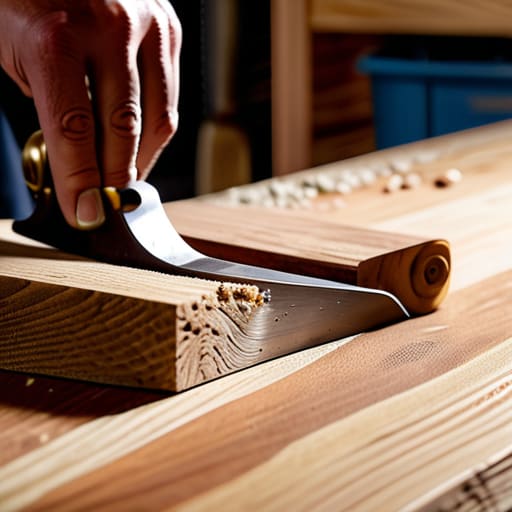
Now, don't go making the mistake of treating a scrub plane like a standard smoothing plane. If you try to set the blade too deep, you’ll just end up fighting the tool, and that’s a quick way to bruise your wrists and ruin a good piece of timber. When you're setting up a scrub plane blade, you want the iron to sit just proud enough to bite. I always say you want to see a thick, curling shaving—something you could practically roll up like a cigar—rather than a thin, wispy ribbon. If the blade is too shallow, you're just rubbing the wood; if it's too deep, you'll clog the mouth and stall out.
You also need to keep an eye on your edge. Because this tool is designed for heavy woodworking stock removal techniques, it takes a beating. I don't bother with a mirror polish on a scrub iron; I want a robust, slightly more forgiving edge that can handle the shock of hitting grain changes. Once you've got the depth right, pay attention to your plane angle and grain direction. If you're working with rough-sawn lumber, you'll need to be decisive. Don't hesitate mid-stroke, or you'll tear the fibers instead of slicing them.
Smoothing Rough Lumber Without the Noise of a Machine
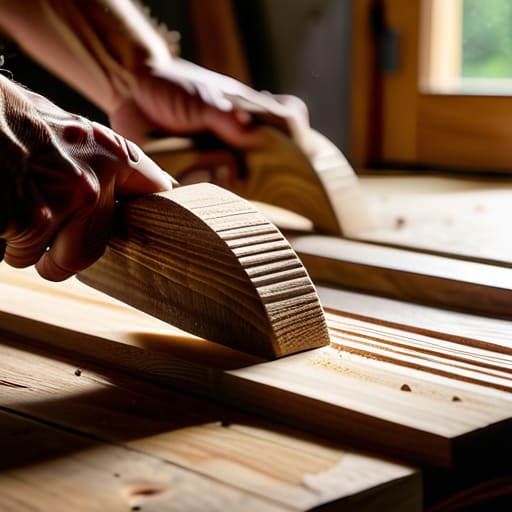
The biggest mistake I see young lads making is reaching for a thickness planer the second they see a piece of rough-sawn timber. They think they’re saving time, but they’re just creating a deafening racket and a mountain of fine, useless dust. When you're smoothing rough lumber, there is a real satisfaction in the rhythmic sound of a plane taking a heavy bite. It lets you listen to the wood. If the tool starts to chatter or skip, you know immediately that you’ve misjudged the plane angle and grain direction. You can adjust your stance and your pressure in real-time, something a machine will never allow you to do.
Instead of fighting the material, you have to work with it. Effective stock removal with hand planes isn't about brute force; it's about controlled aggression. Once the scrub plane has done the heavy lifting and knocked the high spots down, you move on to a smoothing plane to finish the job. It's a process, not a race. If you take the time to master these manual woodworking stock removal techniques, you'll find your surfaces are cleaner and your workshop stays a lot more peaceful.
Five ways to stop fighting the wood and start working it
- Don't try to be delicate. A scrub plane isn't a smoothing plane; it’s meant to bite. Set your blade to protrude a bit further than you think is safe. If you aren't seeing thick, curly ribbons of waste material, you're just wasting your time and your energy.
- Watch your stance. You can't manhandle a plane effectively if you're leaning all your weight into it like a plow. Keep your feet set, use your core, and let the tool do the heavy lifting. It’s about controlled aggression, not brute force.
- Listen to the sound. A good scrub plane has a rhythmic, heavy 'thwack' as it takes a chip. If it starts to scream or chatter, your blade is likely too deep or your angle of attack is wrong. Adjust on the fly; the wood will tell you when it's unhappy.
- Follow the grain, always. Because a scrub plane is taking such aggressive bites, if you hit a knot or a change in grain direction, the tool will jump. If you feel it start to kick, ease off the pressure immediately. There's no sense in gouging a piece of expensive timber because you were being stubborn.
- Keep the iron moving. I've seen many a lad stand in one spot and try to hog out a massive amount of material. You’ll end up with a wavy surface and a sore back. Take long, sweeping strokes that cover the width of the board. It keeps the momentum steady and the finish more predictable.
Putting the Plane to Work
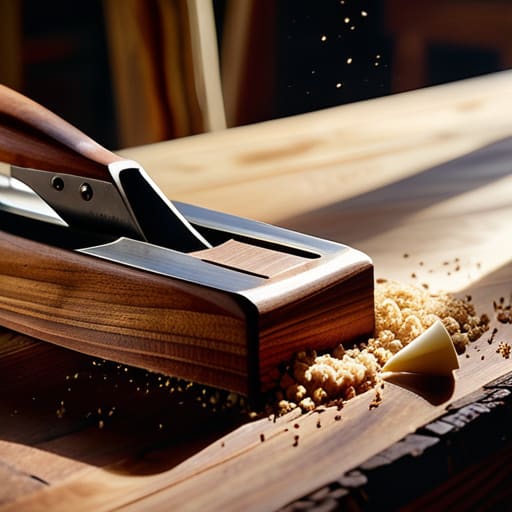
At the end of the day, using a scrub plane isn't about being difficult or making things harder than they need to be. It’s about control. By setting that blade to a heavy, aggressive protrusion and learning to follow the grain rather than fighting it, you’re doing more than just removing timber; you’re reading the wood. You’ve seen how a properly tuned scrub plane can strip away high spots and unevenness in a fraction of the time it takes to fiddle with a sander or a router. Remember, the secret isn't in the brute force, but in the preparation of the iron and the steady, rhythmic movement of your body. If the shavings aren't curling thick and consistent, you aren't finished with the setup yet.
I know the modern workshop is built on the idea of "faster is better," but I’ve spent forty years seeing how that mindset leads to wasted material and ruined boards. When you pick up a scrub plane, you’re reclaiming a bit of that lost connection to the craft. There is a quiet, profound satisfaction in watching a rough, sap-stained plank transform into a workable surface through nothing more than manual effort and a sharp edge. Don't let the noise of the power tools drown out the sound of a well-tuned plane. Once you master this tool, you'll find that you aren't just working faster—you're working smarter.